First Wing-Clipping Decision for a New Budgie: Pros, Cons, Aftercare
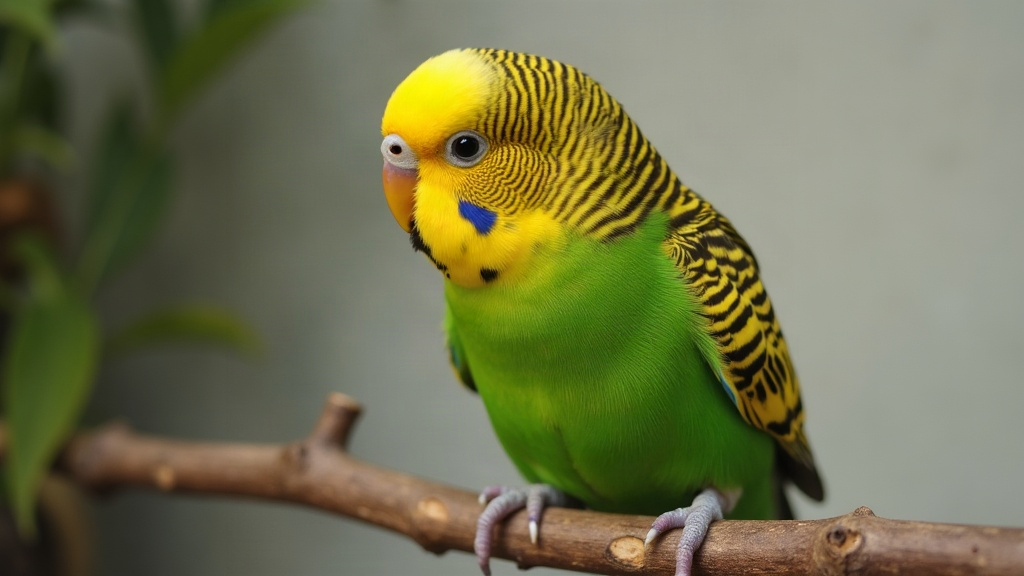
Should You Clip a New Budgie’s Wings? Pros, Cons, and Safe Aftercare
Bringing home a new budgie, you’ll almost always hit this question in the first week: do you clip the wings or not? There’s no slam-dunk answer here. Wing clipping comes with real trade-offs. Done right, it can cut down on injuries while your bird gets used to its surroundings. Done wrong, or left in place too long, it can stunt natural behavior and even hurt the bird. Let’s walk through what clipping actually involves, the upsides and downsides, and how to handle aftercare if you go that route.
What Wing Clipping Actually Means
Clipping means trimming the outer 5 to 10 primary flight feathers on each wing, usually with sharp, rounded-tip scissors made for the job. It doesn’t hurt the bird when done properly (fully grown feathers have no nerve endings), and it’s not permanent. Feathers grow back at the next molt, which for most budgies means a few months down the line.
One thing people get wrong a lot: clipping doesn’t ground a budgie completely. It just reduces lift. The bird can still flutter down in a controlled glide instead of taking off and smacking into a wall or shooting out through an open door.
Pros of Clipping a New Budgie’s Wings
- Fewer injuries during the taming phase. New budgies spook easily. A sudden noise, a shadow, your cat walking by, any of it can send them flying straight into a window, a mirror, or worse, a spinning ceiling fan.
- Easier bonding and training. Try step-up training with a budgie that can just launch itself to the curtain rod the second you reach toward the cage. A clipped bird has to engage with you more, which speeds up trust-building.
- Better control over hazards. An open door, an unscreened window, a ceiling fan left running, these are genuine death traps for a fully flighted bird that doesn’t yet know its surroundings.
- Practical for specific moments, like vet visits, travel days, or the first introduction to an established flock where things can get chaotic fast.
Cons of Clipping a New Budgie’s Wings
- It cuts into natural exercise. Flying is basically a budgie’s cardio. Clip the wings and you need to make up for it with climbing, foraging, and supervised out-of-cage time, otherwise the bird gets sluggish.
- It can backfire on stress levels. A bird that suddenly can’t escape something it’s scared of (your hand, a loud noise, another pet) may actually get more anxious, not calmer.
- Poor technique causes real injury. Clip too many feathers, nick a blood feather, or clip one wing shorter than the other, and you’re looking at bleeding or a bird crash-landing hard enough to bruise its keel.
- It’s not a one-and-done fix. Feathers regrow every molt, so if you want to keep the bird clipped long-term, you’re committing to redoing it repeatedly.
- Some bird specialists push back on clipping altogether, arguing full flight matters for a budgie’s mental health, provided the home is properly bird-proofed.
Making the Decision: Questions to Ask Yourself
- Is your home actually bird-proofed? Windows covered or with decals, ceiling fans off (or removed from use entirely), no candles burning, no other pets roaming free.
- How much experience do you have? First-timers often do better with a temporary clip for the first 2 to 4 weeks while the bird settles in.
- Can someone experienced clip the wings for you? An avian vet, a bird groomer, a seasoned owner. If the answer’s no, don’t treat this as a first-attempt DIY project.
- What’s the end goal? A lot of owners clip just long enough to get through the settling-in period, then let the feathers grow back once the bird is tame and the space is safe.
How to Clip Safely (If You Choose To)
- Keep styptic powder within arm’s reach before you start, in case you nick something you shouldn’t.
- Trim only the outer 5 to 8 primary feathers, and do both wings evenly. Clipping just one side leaves the bird lopsided in the air, which is its own hazard.
- Watch out for blood feathers. These look darker and waxy, with a visible shaft that’s still supplying blood. Cut one of these and you’ll cause real bleeding and real pain.
- Get a second pair of hands. One person holds the bird gently wrapped in a towel while the other clips. Trying to do this solo with a squirming budgie is asking for a mistake.
- If you’re not confident, let an avian vet or experienced groomer handle the first clip. Watch closely so you know what it should look like next time.
Aftercare: What to Do After Clipping
- Keep an eye on how it lands for the first day or two. A proper clip means a soft, controlled flutter down, not a hard drop.
- Lower the perches for a while so any falls are shorter and gentler.
- Watch for stress signs: heavy panting, plucking at feathers, or just refusing to move around. Give the bird space and quiet if you notice this.
- Check the feet and keel bone for bruising after any rough landings. Swelling or a reluctance to perch normally means a call to the avian vet.
- Add extra enrichment: ladders, rope perches, foraging toys. This helps offset the exercise the bird’s losing by not flying.
- Track the regrowth. Once the next molt comes through and new flight feathers come in, you’ll need to decide whether to clip again or just let the bird fly full.
Conclusion
There’s no one right answer here. Whether you clip a new budgie’s wings depends on your home setup, how much bird experience you’ve got, and honestly, the individual bird’s temperament too. A clean, symmetrical clip done by someone who knows what they’re doing can genuinely prevent injuries during that rocky settling-in period. A sloppy clip, or leaning on clipping as a long-term crutch, can cause stress and physical harm instead. Whatever you land on, the priorities stay the same: a bird-proofed space, gentle handling, and close attention in the days right after clipping. Your budgie’s comfort and safety should be what drives every choice you make here.