Reading a Budgie's Body Language: Fluffed Feathers Explained
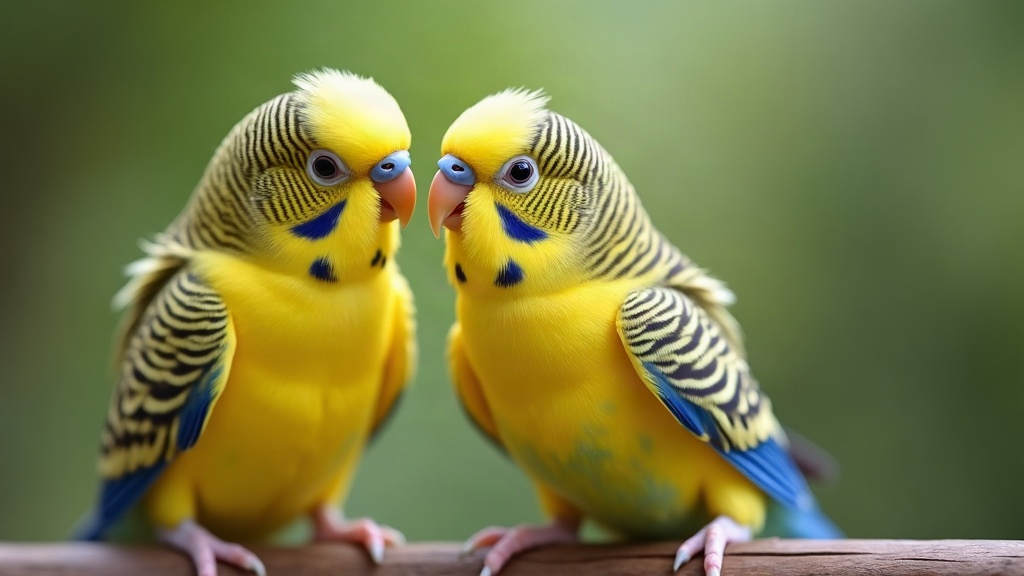
Fluffed Feathers: Is Your Budgie Cozy or Sick?
Fluffed-up feathers are one of the most confusing budgie signals for new owners. The exact same posture can mean “I’m cozy and happy” or “I’m sick and need a vet,” and honestly, that contradiction trips up even people who’ve kept birds for years. The difference comes down to context, duration, and whatever else the bird’s body is doing at the same time. Learning to read these details properly could genuinely save your budgie’s life.
Why Fluffed Feathers Are So Ambiguous
Budgies fluff their feathers to trap air close to the skin for insulation. Think of it like zipping up a down jacket. They do this when they’re cold, when they’re settling in for a nap, or when they’re just relaxed on a perch, half-asleep and ignoring the world. But fluffing is also one of the earliest visible signs of illness, since sick birds lose their ability to regulate body heat and feel chilled as a result. So they puff up to compensate, and from across the room it can look exactly like a contented nap pose.
The fluff itself isn’t the clue. What’s happening around it is.
Fluffed Feathers That Mean Contentment
A happy, healthy budgie will often look like a little round ball, especially in the evening or during a quiet midday rest. I’ve seen mine do this on the curtain rod for twenty minutes straight, barely moving. Signs this is normal, relaxed fluffing:
- One foot tucked up into the belly feathers while perching on the other.
- Eyes doing slow “pinning” (pupils contracting and expanding) or gentle half-closing. This is a sign of calm engagement, not distress.
- Feathers fluff briefly, then smooth back down the moment something catches their attention: a noise, you walking past, a toy swinging slightly.
- Normal activity resumes quickly. The bird eats, chirps, preens, or shifts position within a minute or two.
- Tail wagging or beak grinding after settling. Both are classic signs of a bird winding down happily.
If your budgie fluffs up on its perch in the late afternoon, tucks a foot, and softly grinds its beak before dozing off, that’s a textbook picture of comfort. Nothing to worry about there.
Fluffed Feathers That Signal Illness
Illness-related fluffing looks similar at first glance, but it comes bundled with other warning signs:
- Constant fluffing that doesn’t release, even when you approach, offer a favorite treat, or make noise nearby.
- Sitting low on the perch or, worse, on the cage floor, usually with both feet planted instead of one tucked up.
- Closed or half-closed eyes that stay closed, not the relaxed blink-and-reopen rhythm you’d see in a resting bird.
- Lethargy. Little to no interest in toys, mirrors, or you.
- Changes in droppings. Watery, oddly colored, or noticeably fewer than usual.
- Tail bobbing in sync with breathing, combined with a fluffed body and labored breaths.
- Fluffed appearance lasting hours, particularly when paired with a drop in appetite.
If you spot two or more of these alongside prolonged fluffing, treat it as an emergency, not a “wait and see” situation. Budgies are prey animals, and they hide sickness by instinct. By the time the symptoms are obvious to us, the bird is often already in serious trouble. A same-day visit to an avian vet is the safest call you can make.
Other Body Language Cues to Cross-Check
Don’t lean on feather posture alone. Cross-reference it with these:
- Cere color (the fleshy patch above the beak): a sudden shift can point to hormonal changes or underlying health issues.
- Vocalization: a normally chatty budgie going dead silent for a full day is a red flag worth acting on.
- Grip strength: a sick bird may grip the perch weakly, or sway slightly as if off-balance.
- Droppings on the cage floor: check consistency daily. It’s one of the fastest, cheapest health checks you have.
A Simple Rule of Thumb
Ask yourself one question: does this fluffing bounce back, or does it stick around?
- Bounces back within minutes once something gets its attention → almost always normal.
- Sticks around for an hour or more, especially paired with closed eyes, low perching, or no interest in food → get it checked.
Conclusion
Fluffed feathers aren’t a single, fixed signal. They’re a starting point for closer observation. A budgie that puffs up for a nap, tucks one foot, and snaps back to full alertness at the faintest sound is simply comfortable where it is. One that stays fluffed, sits low, and ignores both food and attention is telling you, in the only language it has, that something’s wrong. Spend a few minutes each day just watching your bird at rest. Once you know its normal baseline, telling contentment apart from illness stops being guesswork and starts being obvious.