How to Build a Durable Foraging Tray for a Destructive Caique
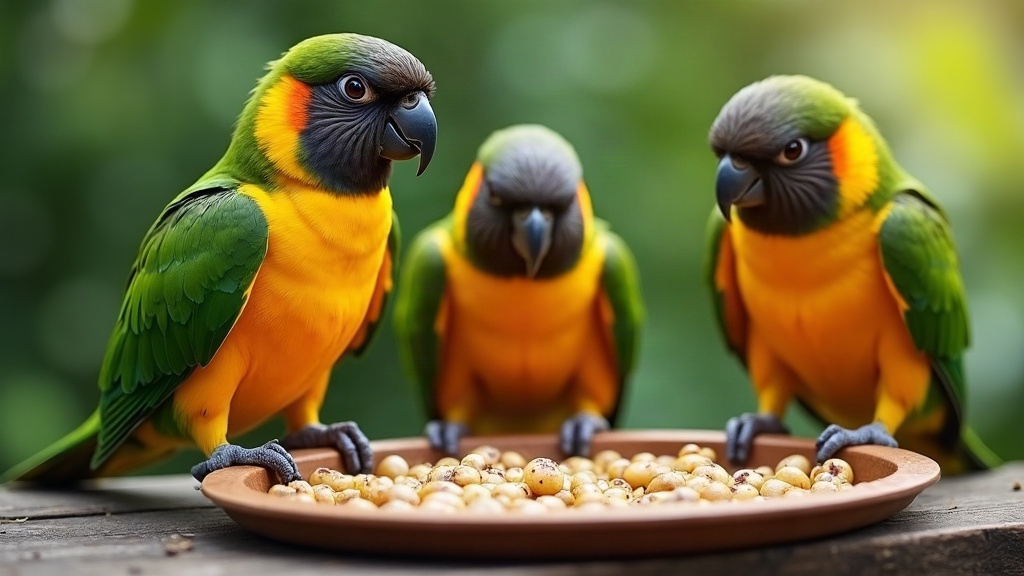
Caiques are famous for two things: boundless energy and an absolutely relentless urge to chew, shred, and take apart anything within beak’s reach. Give that destructive streak a job to do, and a well-built foraging tray can turn it into something useful: mental stimulation, slower eating, fewer chewed-up cage bars. Here’s exactly how to build one sturdy enough to survive even your most determined little demolition expert.
Why Caiques Need Foraging Trays
Both black-headed and white-bellied caiques are ground foragers at heart. In the wild they’ll spend hours picking through leaf litter and bark looking for food. That instinct doesn’t vanish just because your bird lives in a cage in your living room. It has to go somewhere, and if you don’t give it a proper outlet, it’ll end up on your curtains, your remote control, or the cage hardware itself.
A foraging tray does a few things at once:
- Slows down fast eaters and cuts back on food flinging
- Gives the chew-and-destroy instinct a safe place to live
- Reduces boredom screaming and feather damage
- Can keep a bird busy for 30 minutes or more at a stretch
What Makes a Tray “Caique-Proof”
Most store-bought foraging boxes don’t last long in a caique household. Cardboard, plastic clips, thin wood, these birds will chew through them in a day, sometimes an hour. A tray that actually holds up needs:
- A rigid base the bird can’t flip, chew through, or haul off
- Replaceable chew elements instead of structural ones (let the bird destroy the fun parts, not the tray itself)
- Bird-safe hardware, no tiny pieces that could end up swallowed
- Easy cleaning, because caiques are, frankly, messy foragers
Materials List
- A shallow, untreated pine or birch wood box (or, better yet, a stainless steel cat litter tray if you want maximum durability)
- Stainless steel bolts, nuts, and washers (skip the cheap zinc-coated stuff)
- Natural fiber rope, sisal or seagrass, chemical-free
- Vine balls, willow balls, or untreated wicker baskets
- Bird-safe foraging fillers: shredded paper, coconut fiber, crinkle paper, or safflower seed husks
- A drill with small and medium bits
Step-by-Step Build
1. Choose Your Base
If your bird is a heavy chewer, don’t even bother with wood. Start with a stainless steel tray, something around 8 to 10 inches wide works well. It’s basically indestructible and goes straight in the dishwasher. If you like the look of wood, use an untreated hardwood at least ¾ inch thick. Thin plywood? It’ll be chewed through in a single play session, maybe twenty minutes if your bird is motivated.
2. Drill Anchor Points
Drill four to six small holes around the rim of the tray. These will hold rope loops that tie down disposable chew items, vine balls, wicker chunks, cardboard rolls, so the bird can’t carry off the whole thing and end up with loose parts that become a choking risk.
3. Attach Chewable “Sacrifice” Zones
Thread sisal rope through the holes and tie on:
- A loosely woven wicker ball stuffed with pellets or nuts
- A section of untreated balsa or pine chew stick
- A folded piece of brown kraft paper with treats tucked inside
These pieces exist to be wrecked. Swap them out weekly. The tray itself should stay intact.
4. Layer the Foraging Filler
Fill the base with a 1 to 2 inch layer of shredded paper or coconut fiber. Bury pellets, seeds, and bits of dried fruit throughout the layer. This triggers real digging behavior and can stretch out foraging time by a lot, sometimes from a few minutes to half an hour or more.
5. Secure the Tray
Bolt or zip-tie the tray down to the cage floor or play stand so it can’t be flipped over. Caiques love flipping trays purely for the racket it makes. Securing it keeps the contents where they belong, and saves your floor from a daily seed-and-crumb avalanche.
Maintenance Tips
- Swap chew elements once or twice a week, more often if your bird is particularly aggressive about it
- Wash the tray base in hot soapy water every few days
- Rotate the filler (paper, fiber, shredded cardboard) so things stay interesting
- Check for splintering wood and pull it out right away
Final Thoughts
Building a tray like this isn’t about outsmarting your caique’s destructive side. It’s about handing that energy a safe, satisfying outlet. Get the base right, make the chew zones replaceable, rotate the fillers now and then, and you end up with a toy that lasts, a bird that’s actually engaged, and noticeably less collateral damage scattered around the house.