Red-Rumped Parrot vs Turquoisine for a Cool Climate Indoor Aviary
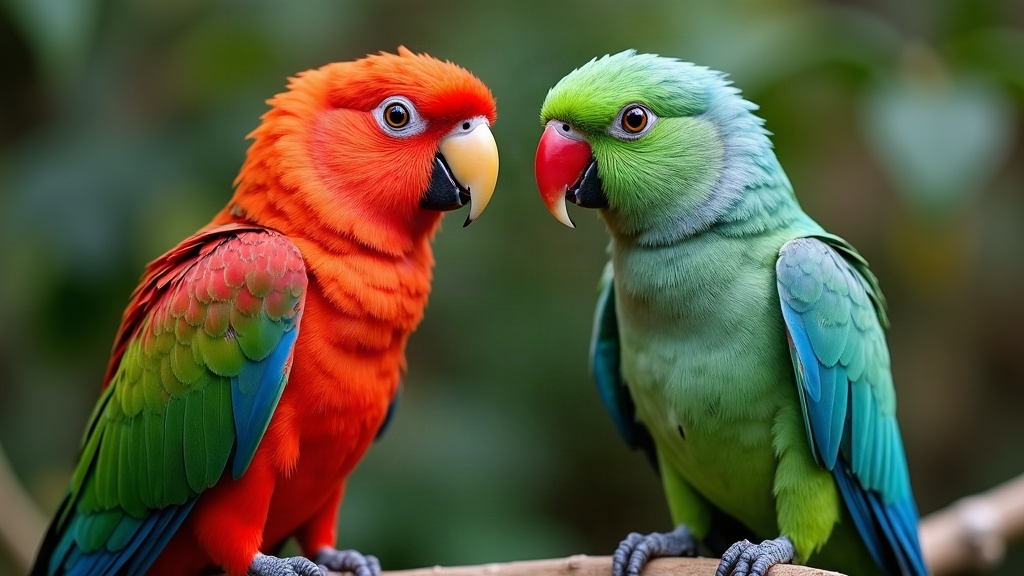
If you’re setting up a cool-climate indoor aviary and can’t decide between a red-rumped parrot and a turquoisine, here’s the short version: red-rumps are tougher, bigger, and more self-sufficient, while turquoisines are smaller, quieter, and fit better into a tight indoor footprint. Both come from Australian grassland stock and handle cold just fine, but once you get past that, they split pretty hard on space needs, social behavior, and day-to-day upkeep.
Quick Comparison at a Glance
| Feature | Red-Rumped Parrot | Turquoisine Parrot |
|---|---|---|
| Size | 26-28 cm | 19-21 cm |
| Cold tolerance | Excellent | Excellent |
| Noise level | Moderate, occasional screech | Quiet, soft chatter |
| Flight space needed | Large (long flights preferred) | Moderate |
| Temperament | Independent, can be nippy | Gentle, more biddable |
| Best for | Larger aviaries, experienced keepers | Smaller indoor setups, quieter homes |
Cold Hardiness: Both Are Built for It
Both species come from temperate, semi-arid pockets of Australia where winter nights can dip close to freezing. Keep an unheated or lightly heated indoor aviary above roughly 5°C (41°F), and both birds do fine once they’ve had time to acclimate. You just need to cover the basics:
- A draft-free sleeping area or snug box
- Dry bedding and perches positioned away from cold floor drafts
- Steady food access, since cold snaps push up their caloric needs
Turquoisines carry less body mass, so they feel sudden temperature swings more than red-rumps do. A stable environment isn’t optional for them the way it might be for their larger cousins.
Space and Flight Requirements
This is where the two species really go their separate ways.
Red-rumped parrots are strong, active fliers who want long horizontal runs to stretch their wings. Stick them in a cramped enclosure and you’ll see the consequences soon enough: restlessness, feather plucking, sometimes weight gain. If your indoor aviary runs under 3 meters, a pair of red-rumps is going to feel boxed in.
Turquoisines, on the other hand, are compact birds that do fine with shorter flight paths, so a 2-2.5 meter setup is genuinely workable for them. They still want width over height, but their smaller wingspan means tight corners aren’t the deal-breaker they’d be for a red-rump.
Short on room? Turquoisines are the sensible choice.
Noise Levels for Indoor Living
An indoor aviary usually means shared living space, so sound matters more than people expect going in.
- Red-rumps have a sharp contact call and will occasionally let out a screech, especially around dawn and dusk. It’s not earsplitting, but you’ll hear it through a wall two rooms over.
- Turquoisines rank among the quietest parrots kept in aviculture. Their chatter is a soft warble that won’t interrupt your sleep, let alone a Zoom call.
If you’re in an apartment or an open-plan house, turquoisines are the safer bet, full stop.
Temperament and Handling
Red-rumped parrots are smart but keep their distance emotionally. Don’t expect cuddles. They can nip if startled or cornered, and males get especially touchy during breeding season. Think of them as active, self-contained aviary residents rather than hands-on pets, and you’ll enjoy them a lot more.
Turquoisines tend to be calmer and more tolerant of handling, particularly if they were hand-raised as chicks. They settle into a routine fast and generally do well with supervised time out of the cage in a bird-proofed room.
Diet and Daily Care
Feeding is roughly the same story for both:
- A good small-parrot or grass-parakeet seed mix
- Fresh greens such as silverbeet, dandelion, and broccoli
- Sprouted seed when they’re in breeding condition
- Cuttlebone or a mineral block for calcium
Red-rumps run a bit more active day to day, so they may eat slightly more relative to their size, but neither bird is fussy or demanding at the food bowl.
Breeding Considerations
Planning to breed? Keep these differences in mind:
- Red-rumps need a roomier nest box (around 20 x 20 x 40 cm) plus extra floor space so fledglings have room to move around and build strength.
- Turquoisines breed readily even in smaller setups, and they’re widely considered one of the easier Neophema species for someone breeding for the first time.
Which One Should You Choose?
- Go with a red-rumped parrot if your indoor aviary runs 3 meters or more, you don’t mind the occasional vocal outburst, and you want a hardy, low-maintenance bird that’s more independent than affectionate.
- Go with a turquoisine if space is tight, quiet matters, and you’d like a calmer bird that’s more comfortable with closer interaction.
Final Thoughts
Both birds handle a cool-climate indoor aviary without complaint, and neither will struggle with temperature as long as you keep drafts under control. The real decision comes down to space and sound: red-rumps reward you when you’ve got room to spare, turquoisines slot neatly into quieter, more compact setups. Pick the bird that matches your actual environment rather than the one that just looks nice in a photo, and either one will do well for years to come.