Safe Houseplants for Free-Flying Canaries (And Which Ones Kill Them)
Which Houseplants Are Safe for Free-Flying Canaries?
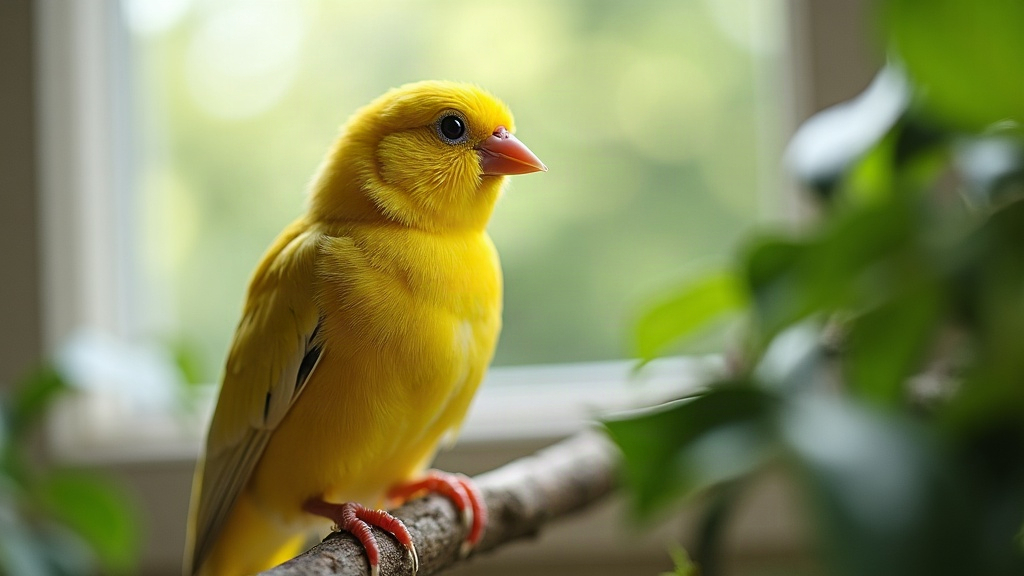
Let a canary out of its cage and it’ll investigate everything within reach, including every green leaf on your windowsill. That curiosity is charming right up until it isn’t: one bite of the wrong plant and you’ve got a dead bird on your hands within a few hours. This guide sorts out the houseplants that are actually fine for a free-flying canary from the popular ornamentals that will poison it, so you can decorate your home without playing roulette with your bird’s life.
Why Free-Flying Canaries Are at Risk
A caged canary only has access to whatever you stick between the bars. Let that bird loose in the living room, though, and suddenly every windowsill, bookshelf, and hanging basket is fair game. Canaries forage by nature, so even a bird that’s stuffed full of seed will still shred and taste leaves purely out of habit. It’s not hunger, it’s curiosity.
Three things make this dangerous:
- Toxic leaves and sap. Plenty of common ornamentals carry alkaloids, oxalates, or glycosides that attack a bird’s organs directly.
- The soil. Potting mix isn’t inert. It can hold mold spores, fungal growth, and fertilizer salts that a bird’s tiny lungs handle far worse than ours do.
- Pesticide residue. Nursery-bought plants are frequently treated with systemic insecticides that stick around in the leaf tissue for weeks after purchase.
Keep the scale in mind: a canary weighs somewhere around 15 to 25 grams, roughly the weight of five sheets of paper. A dose of toxin that a cat would shrug off can shut down a bird’s liver or nervous system in a matter of hours.
Bird Toxicity Is Not the Same as Cat or Dog Toxicity
Here’s a trap a lot of new bird owners fall into: they Google “toxic plants for pets” and trust whatever list comes up. Don’t. Those lists are usually built around cats and dogs, and birds don’t metabolize toxins the same way. They run hotter (literally, a higher metabolic rate), their respiratory system is far more delicate, and they can’t vomit to get rid of something bad. A plant that’s rated “mildly toxic” for a Labrador can be outright lethal for a canary. Always check sources written specifically for birds before trusting a generic houseplant list.
Safe Houseplants for Free-Flying Canaries
The plants below are widely regarded as non-toxic to birds, safe enough to have around even if your canary lands on them and takes a bite. That said, ease any new plant into the house gradually, rinse the leaves under the tap first, and repot into fresh, pesticide-free soil before it goes anywhere near the bird.
Foliage and Ferns
- Spider plant (Chlorophytum comosum) — nearly indestructible, grows fast, and completely bird-safe. The little dangling “pups” tend to become a favorite chew toy.
- Boston fern (Nephrolepis exaltata) — lush, non-toxic, and it likes humidity, which incidentally does your bird’s feathers a favor too.
- Parlor palm (Chamaedorea elegans) — slow-growing and forgiving of the dimmer light a lot of bird rooms end up with.
- Areca palm (Dypsis lutescens) — tall and airy, and it makes a nice natural-looking perching backdrop.
- Prayer plant (Maranta leuconeura) — striking patterned leaves, fully non-toxic.
- Peperomia — small, there are dozens of varieties, and it’s safe for beaks that like to poke at everything.
- Polka dot plant (Hypoestes phyllostachya) — a cheap, cheerful splash of color with no risk attached.
Flowering and Succulent Choices
- African violet (Saintpaulia) — compact and safe, and it thrives on exactly the sunny windowsill a canary likes to sit on.
- Holiday cactus (Schlumbergera) — one of the few flowering options you can grow indoors without worry.
- Hoya / wax plant (Hoya carnosa) — a trailing vine that’s safe for both birds and other household pets.
- Haworthia — a small, spiky-looking succulent that’s non-toxic despite its appearance.
One caveat: “safe” doesn’t mean unlimited. Even these plants can cause mild stomach upset if a bird binges on them, and anything with sharp spines (some cacti, for instance) can scratch an eye or a foot even without being poisonous. Safe is not the same as all-you-can-eat.
Houseplants That Can Kill Canaries
These are the ones that show up in living rooms constantly and can kill a bird, sometimes within hours. If you’ve got a free-flying canary, don’t just “move it out of reach.” A flying bird gets around every barrier you can think of, so these need to leave the house entirely.
Highly Toxic, Remove Immediately
- Avocado (Persea americana) — leaves, bark, pit, all of it contains persin, a fungicidal compound that triggers heart failure and sudden death in birds. Of everything on this list, avocado is the one that kills fastest and most reliably. If you grow one indoors, this is the plant to get rid of first.
- Sago palm (Cycas revoluta) — severe liver failure, in birds and mammals both, from even a small nibble.
- Philodendron, pothos (Epipremnum), monstera, and peace lily (Spathiphyllum) — these trendy aroids are loaded with insoluble calcium oxalate crystals that cause burning, swelling, and airway trouble almost immediately in a small bird’s throat.
- Dieffenbachia (dumb cane) — the name isn’t an accident; oxalate crystals here are severe enough to swell a bird’s airway completely shut.
- Oleander (Nerium oleander) — cardiac glycosides that can stop a bird’s heart outright.
- Foxglove (Digitalis) — this is literally where the heart medication digitalis comes from. Even a trace amount is lethal to a canary.
- Yew (Taxus) — every part of the plant except the red berry flesh (the aril) is deadly.
- True lilies and daffodils (Narcissus) — bulbs and leaves both carry toxins that cause serious digestive and neurological symptoms.
Moderately Toxic, Still Off-Limits
- English ivy (Hedera helix) — respiratory distress and skin/mouth irritation on contact.
- Schefflera (umbrella tree) — oxalate crystals plus irritation, similar family to the aroids above.
- Azalea and rhododendron — grayanotoxins that interfere with heart rhythm and nerve function.
- Croton, caladium, and poinsettia — irritating sap that causes swelling and vomiting reflexes, and remember, birds can’t actually vomit, so that reflex just makes things worse.
How to Keep Your Free-Flying Canary Safe
- Walk the room at “canary height.” Look at every single plant and identify it by its actual scientific name, not the vague nickname on the plastic tag from the garden center.
- Pull the killers out entirely. There’s no safe corner of the house for avocado, sago palm, or any of the aroids if a bird has free reign.
- Repot the safe ones. Toss the original nursery soil, rinse the roots under water, and replant in a clean, fertilizer-free mix. That alone cuts out most of the pesticide and mold risk.
- Check the water trays. Drip saucers under pots become impromptu drinking bowls for a curious bird, so keep them clean and free of fertilizer runoff.
- Quarantine anything new. Give a new plant two weeks in a separate room before it joins the flock, and watch closely for nibbling once it does.
What to Do If Your Canary Eats a Toxic Plant
Every minute counts here, so move fast:
- Get the bird away from the plant and gently check its beak for any leaf fragments still stuck there.
- Don’t try to induce vomiting. Birds physically can’t vomit the way mammals do, and trying will only cause more damage.
- Call an avian vet right away, not a general practice if you can help it, and bring a photo or a leaf sample so they can identify the toxin fast.
- Save the poison control number now, before you need it. The ASPCA Animal Poison Control line (or your local equivalent) belongs in your phone contacts today, not googled in a panic later.
Conclusion
Letting a canary fly free basically turns your living room into an aviary, which means every single leaf in it has to be something the bird could survive chewing on. Stick to the proven safe options, spider plant, Boston fern, parlor palm, prayer plant, and clear out the aroids, lilies, sago palm, and above all avocado, which can kill a bird in a matter of hours. If you’re not sure about a plant, just don’t keep it. No decorative leaf is worth losing your bird over.