Why a Canary Gets Suddenly Territorial and Puffs Up Each March
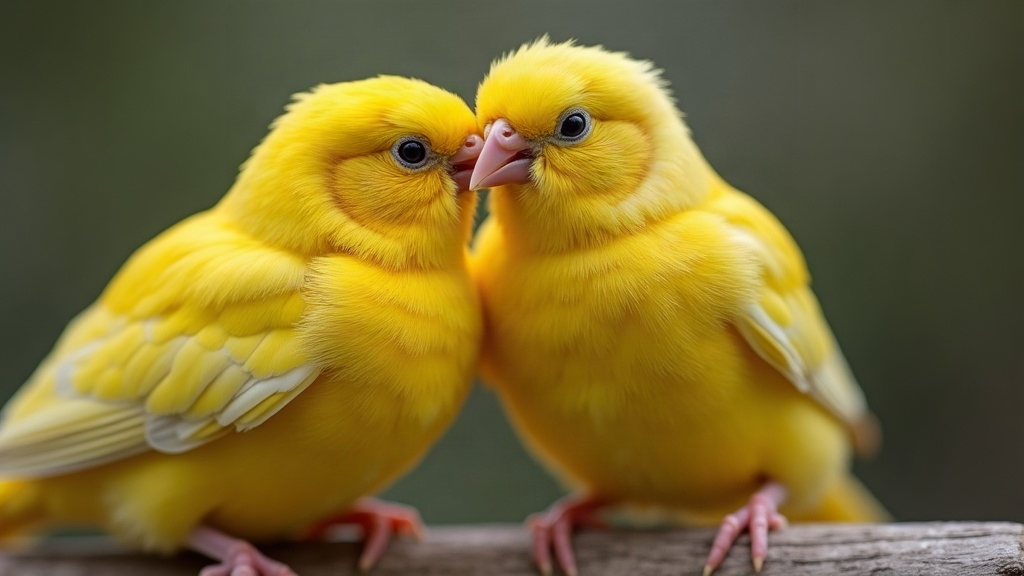
If your canary suddenly starts puffing up, belting out louder songs, and acting aggressively toward other birds (or your hand) every March, relax. You’re not doing anything wrong. What you’re seeing is a hormonal shift tied directly to spring, and territorial display is one of the clearest signs that your bird’s body is reacting to the season.
Why March Specifically?
Canaries are extremely sensitive to photoperiod, meaning the number of daylight hours in a given day. As days stretch out heading into spring, that gradual increase in light tells your bird’s brain that breeding season is on its way. This sets off a chain reaction of hormonal changes, most notably a rise in testosterone (yes, even in females, though to a smaller degree) along with other reproductive hormones.
For birds kept near windows or in rooms without blackout curtains, March in the Northern Hemisphere is often the tipping point, the moment natural daylight crosses the threshold needed to flip these hormonal switches. That’s why the change can feel abrupt. In reality, it’s the cumulative result of weeks of slowly lengthening days finally hitting a critical mark.
What Territorial Behavior Looks Like
During this stretch, you might notice:
- Puffing up the chest and throat feathers, a display meant to make the bird look bigger and more dominant
- Louder, more intense singing, especially in males, often more persistent than you’re used to
- Aggression toward cage mates, including chasing, pecking, or staking a claim on certain perches
- Wing flicking or drooping near the cage bars whenever a person or another bird gets close
- Possessiveness over nesting materials, food dishes, or a favorite corner of the cage
- Less patience for handling, even in birds that are normally easygoing and hand-tame
Males tend to show this more dramatically since testosterone spikes harder in them, but hens aren’t immune. A hen primed to nest can get just as defensive.
Is This Normal or a Cause for Concern?
In almost every case, this is just normal reproductive behavior, not a sign of illness or something you’ve done wrong. Wild canaries, and the domesticated birds descended from them, are seasonal breeders. Spring territorial display is baked into their biology.
That said, keep an eye out if things escalate to:
- Physical injury between cage mates (bleeding, plucked feathers, bite wounds)
- Self-harm from excessive feather plucking or agitation
- A total refusal to eat or drink because of stress
If you see any of that, separate the birds and call an avian vet. Better safe than sorry.
How to Manage Seasonal Territorial Behavior
You’re not trying to “fix” instinct here, but you can take the edge off and make life calmer for your bird (and your household):
Control light exposure. Want to slow the hormonal surge? Keep the cage away from windows and cap light exposure at roughly 10-12 hours a day with a consistent cage-covering routine.
Separate competitive birds. If you keep more than one canary, think about splitting up cages during the peak weeks, especially if breeding isn’t the goal.
Avoid encouraging nesting cues. Pull out nesting materials, mirrors, or anything that might signal “time to breed” if that’s not what you’re planning.
Give your bird predictable space. If your canary turns nippy during this phase, back off on handling. Pushing interaction usually makes things worse, not better.
Maintain a stable routine. Steady feeding times, consistent lighting, and quiet hours all help keep hormonal rhythms on an even keel.
When Does It Settle Down?
For most canaries, the intense phase peaks over a few weeks in spring and fades out by early summer as the breeding window closes (sooner if there’s no mate or nesting spot around). Some birds run through a milder repeat performance in early fall thanks to secondary light shifts, but spring is still the main event.
Conclusion
A canary puffing up and getting territorial every March isn’t bad behavior, it’s biology doing exactly what it’s supposed to do in response to longer days and the seasonal urge to breed. Once you understand what’s triggering it, you can adjust your bird’s environment with a bit of foresight, keep the peace between cage mates, and ride out this phase knowing it’s temporary, not a problem to solve.