Parrot Suddenly Fears One Family Member: Causes & Fixes
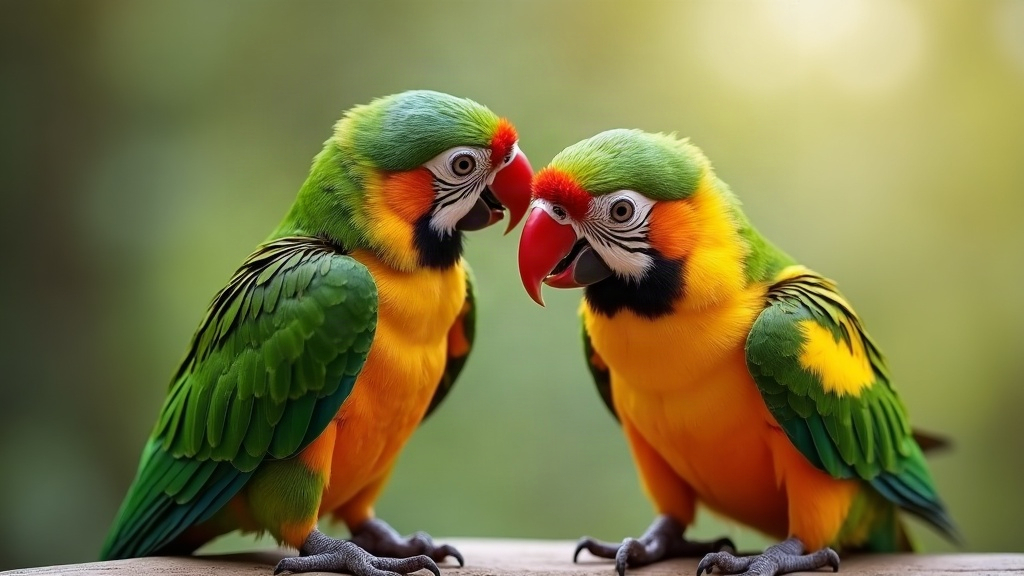
A parrot that suddenly screams, lunges at, or bolts from one specific household member while staying perfectly chill with everyone else isn’t being “difficult.” It’s scared. Targeted fear, not general aggression, and it’s far more common than most owners assume. Almost every time, you can trace it back to something concrete: a new look, a scary moment, an unfamiliar smell, or a change in how that person acts around the bird. The fix won’t happen overnight, but a structured, patient approach gets there almost every time, as long as you don’t give up halfway through.
Why This Happens: The Most Common Triggers
Parrots run on vision and scent, and they notice change fast, sometimes faster than we do. Before you start any training, play detective first. Walk through these common culprits.
Appearance Changes
- New glasses, a hat, a beard that wasn’t there last week, or a haircut that changed someone’s silhouette
- A new coat, loud-colored clothing, or anything with a hood
- Carrying something unfamiliar: an umbrella, a cane, a shopping bag, even a phone held up to the ear
A Startling Incident
- The person sneezed hard, dropped a plate, or raised their voice nearby
- They stepped on a toy, knocked the cage, or moved too fast past the perch
- A loud noise happened while that person was in the room (a door slam, a TV blast, an argument down the hall) and the bird pinned the blame on them, even if they had nothing to do with it
Scent or Product Changes
- New perfume, cologne, lotion, hand sanitizer, or cigarette smoke clinging to clothes
- Another animal’s scent on their hands or sleeves
Behavioral Shifts
- The person was gone for a while (work trip, hospital stay) and now reads as a stranger
- They tried to force a cuddle, grabbed the bird, or clipped wings and nails without softening the moment afterward
- Raised stress, a sharper voice, tense shoulders. Parrots catch mood shifts almost instantly, often before we’re even aware of our own tension
Hormonal or Developmental Factors
- Some birds go through phases, often tied to hormones or just growing up, where they suddenly fixate on one person and start treating everyone else, even an old favorite, as a threat.
Step-by-Step: Rebuilding Trust
1. Stop Forcing Interaction Immediately
Pushing the bird toward the person it fears right now only confirms the danger. The feared person needs to back off completely: no direct handling, no staring, no approaching, for several days at minimum.
2. Identify and Remove the Trigger (If Possible)
Glasses, a new jacket, a strong cologne? Have the person go back to the old version for a bit when they’re near the bird. This single step clears up a surprising number of cases within a week.
3. Create Positive Distant Associations
The feared person should:
- Sit across the room, well outside lunging or flight range, during quiet moments
- Toss a high-value treat (a piece of walnut, a sunflower seed, whatever the bird goes crazy for) toward its area, without looking straight at it or stepping closer
- Talk low and even, almost sing-song. Not baby talk, just relaxed and unhurried
- Do this every day, only shrinking the distance once the bird’s body language loosens up: feathers relaxed, normal eye pinning, casual preening instead of frozen watching
4. Let the Bird Control the Pace
Never corner it. Never reach toward it during this phase, not even slowly. Progress here looks like the bird deciding to hop a little closer on its own, not the person closing the gap first.
5. Pair the Person With Favorite Things
Let the feared family member be the one who brings the favorite snack, turns on the bird’s favorite show, or hands over a loaded foraging toy, with zero handling attached.
6. Avoid Eye Contact and Direct Facing
A long, direct stare reads as predatory to a jumpy parrot. Have the person approach from an angle, shoulders slightly turned away, instead of walking straight at it.
What NOT to Do
- Don’t make the person pick the bird up “just to get it over with.” This almost always ends in a bite and can undo weeks of progress
- Don’t scold the parrot for screaming or lunging out of fear. Punishment just stacks more anxiety on top and chips away at trust even further
- Don’t let other family members laugh or tease or make a show out of the bird’s reaction. Birds pick up on social tension in the room, even when it’s not aimed at them
- Don’t rush it. Some birds bounce back in a few days, others take months, depending on temperament and how deep the fear runs
When to Be Concerned
If the fear showed up out of nowhere, with no obvious trigger, or it’s getting worse despite weeks of consistent work, or it’s paired with other red flags (appetite dropping off, feather plucking, lethargy), book a visit with an avian vet. Pain or illness can disguise itself as sudden fear or aggression toward one specific person, especially if that person is usually the one holding the bird down for nail trims or medicine.
Conclusion
A parrot that suddenly fears one specific person is almost always fixable, with patience, honest trigger-hunting, and a slow reintroduction led entirely by the bird’s own comfort level. Skip the urge to force contact, clear away the obvious trigger if there is one, and let the good associations rebuild at their own speed. Most birds come all the way back within a few weeks when their owners stay calm and don’t cut corners, and plenty end up even more bonded to that person than they were before.