Recall Training a Conure Across Multiple Rooms with a Whistle Cue
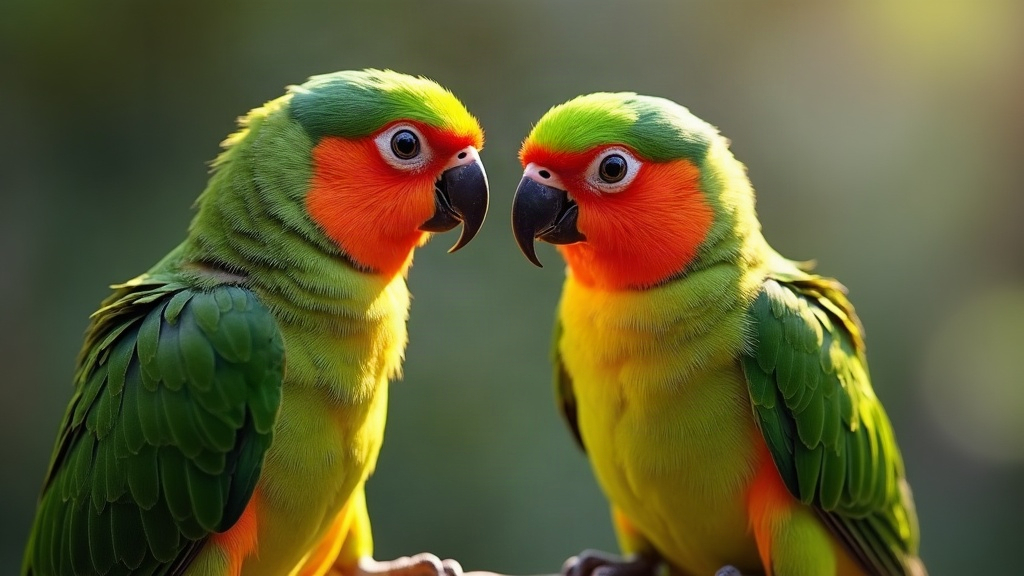
Teaching Your Conure a Whistle Recall, Room by Room
Recall training teaches your conure to fly straight to you the second it hears a specific whistle, no matter which room it’s hiding out in. This isn’t just a cute trick to show off to guests. It’s one of the most important safety behaviors you can install in a pet bird, the kind that lets you pull your conure away from an open door, a spinning ceiling fan, or the family dog in about two seconds flat. Below is a practical, room-by-room system for building a reliable whistle recall that works with any conure, whether you’ve got a green-cheek, a sun, a nanday, or a jenday.
Why a Whistle Beats a Word
Conures lock onto pitch and rhythm far more reliably than they lock onto spoken words, especially words that get lost in the noise of a normal household. A whistle has a few advantages going for it:
- It cuts through ambient noise (the TV, kids yelling, other birds squawking)
- It’s easy to reproduce identically, whistle after whistle, year after year
- It doesn’t get watered down the way a phrase like “come here” does when you say it fifty times a day for no reason
- It carries clearly from another room or through a half-open doorway
Pick something short and distinctive, two quick rising notes work well, and reserve it only for recall. Don’t use it for anything else. Don’t whistle it idly while you’re making coffee. If it starts meaning “nothing in particular,” it’ll stop meaning “fly to me.”
Step 1: Build the Association in One Room
Before you even think about moving between rooms, the whistle needs to mean exactly one thing to your bird: fly to me, get a reward.
- Start with your conure on a tabletop perch or play stand, just 2-3 feet from you.
- Whistle the cue, then immediately offer a favorite treat (a sliver of millet or a sunflower seed usually does the trick).
- The instant your bird steps or flies toward you, reward it and throw in some verbal praise too.
- Run 8-10 reps per session, 2-3 sessions a day, for about 4-7 days.
Don’t rush to the next step. Wait until your bird is responding within 1-2 seconds, consistently, at this short distance, before you go any further.
Step 2: Stretch the Distance, Same Room
Now start backing up: 5 feet, then 10, then clear across the room. Keep rewarding the instant your bird lands on you. If it hesitates, looks around, or flat-out ignores you, you pushed the distance too far too fast. Just dial it back a few feet and run several more successful reps before trying again.
Step 3: Bring in a Second Room
This is where most owners get impatient and blow weeks of progress in one afternoon. Take it in small bites:
- Adjacent room, door open, bird can see you: Stand just inside the doorway and whistle, so there’s a clear, obvious flight path to you.
- Adjacent room, out of sight: Whistle without letting your bird see you first. This checks whether the sound itself, not the sight of you, is what’s triggering the response.
- Non-adjacent room: Call from down the hallway, or from a room that requires your conure to actually turn a corner mid-flight.
Reward generously at every stage, and keep sessions short, 5 to 10 minutes tops. You want your bird finishing each session excited, not worn out.
Step 4: Layer in Distractions
Once the recall holds up across rooms in a dead-quiet house, start adding real-world noise:
- A TV or radio playing in the background
- A second person sitting in the room
- A favorite toy left in plain sight (yes, your bird will be tempted to play instead of fly to you)
If your conure blows off a recall because of a distraction, don’t scold it. Just reset, dial the distraction back down, rack up a few wins, then push forward again.
Common Troubleshooting Issues
The bird flies to the wrong person, or lands in the wrong spot. Stick to one whistler during the early training phase. Once the behavior is solid, bring in other family members one at a time.
Recall is perfect during training but falls apart in everyday life. Throw in surprise recalls at random moments throughout the day, not just during your scheduled sessions. That’s what turns this into a true conditioned reflex instead of a party trick your bird only performs on cue in a specific context.
The bird seems bored or just stops responding altogether. Switch up the rewards (a treat one time, a head scratch the next, a favorite toy after that) and trim your sessions down. Conures burn out fast on repetitive drills, faster than most owners expect.
Keeping the Behavior Strong Long-Term
Don’t shelve this skill once it’s reliable. Weave it into daily life: call your conure over before meals, during out-of-cage time, or when it’s time to head back to the cage. Toss in the occasional “jackpot” reward, something extra special, for a particularly sharp recall. That one habit alone can keep the behavior rock-solid for years.
Final Thoughts
A distinctive whistle, built up methodically from one room to the next, gives you both a real safety net and a genuinely satisfying bond with your bird. Patience is really the whole game here: nail each distance and each room transition before you add the next layer of difficulty, and keep your rewards consistent. Stick with it, and most conures will have a confident, cross-room recall down within three to six weeks.