Society Finch Nest-Building in Food Hopper, Not Nest Box
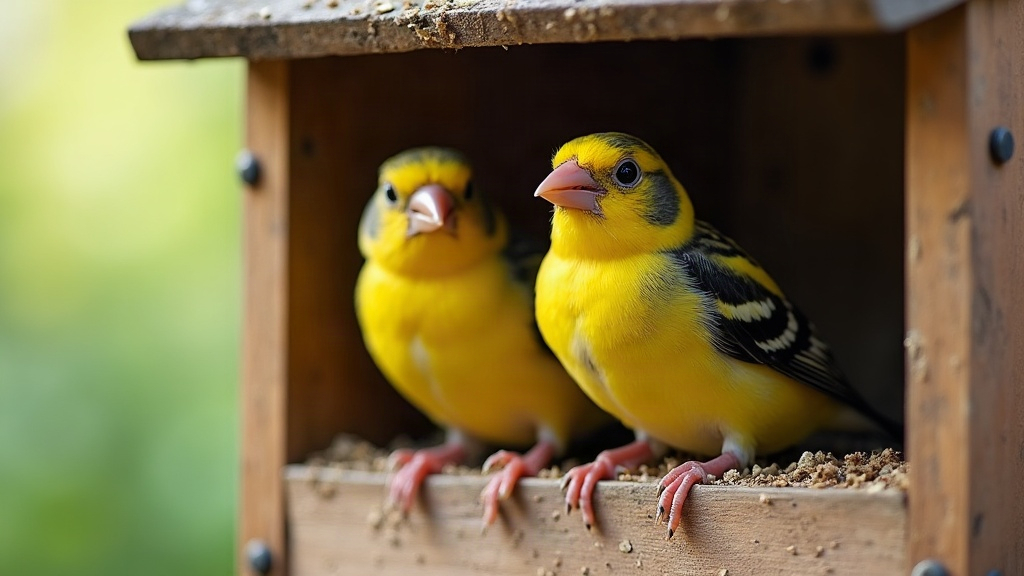
Why Is My Society Finch Pair Nesting in the Food Hopper Instead of the Nest Box?
If your society finch pair keeps stuffing nesting material into the food hopper while ignoring the nest box you bought them, don’t panic. It happens more often than you’d think. These birds are social, opportunistic, and frankly a bit stubborn about where they decide “home” is. Usually it comes down to three things: location, how safe the spot feels, and whether the hopper’s shape just happens to beat the box on comfort. Let’s get into the actual reasons, then talk about fixes.
Why Society Finches Choose the Food Hopper
Society finches (Lonchura domestica) have been bred in captivity for so many generations that some of their instincts have drifted a bit from what you’d expect. Here’s what’s usually going on when they skip a perfectly fine nest box for a seed hopper instead.
1. The hopper feels more enclosed and secure
A lot of hoppers have a hooded or half-covered design, almost like a mini cave. If the nest box you provided is too open, sits in a busy part of the cage, or doesn’t have a tight enough entrance hole, the birds may simply decide the hopper feels safer. Makes sense when you think about it from a finch’s point of view: smaller opening, more cover, less exposure.
2. Location matters more than the structure itself
Finches care a lot about where things sit in the cage, sometimes more than what the thing actually is. If the hopper happens to be tucked in a quieter, higher, or shadier corner than the nest box, the pair will go for the hopper every time, no matter how “proper” the box is.
3. Habit and imprinting
Had a successful clutch hatch in that hopper once before? That’s it, decision made. Society finches are creatures of habit, and once a spot proves itself, they’ll return to it again and again rather than risk something new.
4. Competing with other birds in the aviary
In a colony cage with several pairs fighting over a limited number of boxes, a less dominant pair might just give up and settle for the hopper since nobody else wants it.
5. The nest box itself is unappealing
- Entrance hole too wide or too narrow
- No bedding inside to signal “this is a good spot”
- Box still smells like fresh plastic or new wood (birds notice this more than you’d expect)
- Box sitting in bright, exposed light with no sense of cover
Is Nesting in the Food Hopper a Problem?
Yes, and it’s not a minor one. A few real risks worth knowing about:
- Egg and chick safety: Eggs can get buried under seed debris or crushed outright when you refill the hopper.
- Hygiene issues: Droppings and nesting debris end up mixed into the food supply. Not great for anyone.
- Access for feeding: When the feeding area and nest overlap, parents can struggle to manage both efficiently.
- Monitoring difficulty: Good luck checking on eggs or chicks tucked behind a wall of millet.
How to Redirect Your Pair to the Nest Box
Make the nest box more attractive
- Tuck a small handful of clean nesting material (straw, coconut fiber, shredded paper) inside the box before you even introduce it. A blank box often looks uninviting to them.
- Place it in a quiet, slightly dim, elevated spot, basically copying whatever made the hopper appealing in the first place.
- Go with a box that has a snug 1.5 to 2 inch entrance hole. An open-top box rarely feels secure enough.
Temporarily block the hopper
- Swap in a tube-style or open dish feeder for a week or two while the pair gets used to the new box.
- Once they start actually building inside the box, you can slowly bring the original hopper back.
Remove partially built nests from the hopper
Once a day, gently clear out any nesting material that’s accumulated in the feeder. This quietly discourages them from investing more effort there, without throwing off their whole breeding rhythm.
Give multiple nest box options
Running a colony setup? Add one extra box per pair. Less competition means fewer pairs settling for a feeder out of desperation.
When to Let It Be
If eggs are already laid and incubation has started, don’t touch anything. Moving eggs at this stage can cause the parents to abandon the clutch entirely. Instead:
- Set up a separate, elevated feeding station nearby so you can refill food without going anywhere near the nest.
- Keep an eye on hygiene and top up bedding support gently if needed.
Conclusion
A society finch nesting in a food hopper isn’t some bizarre behavioral glitch. It’s really just the birds telling you they found a spot that felt cozier and safer than what you offered. Fix the nest box (bedding, placement, right-sized entrance) and limit hopper access during the switch, and most pairs will relocate without much fuss. A little patience and a few small tweaks to the environment make a big difference in keeping both eggs and chicks somewhere safe.