Predator-Proof Outdoor Aviary for Zebra Finches: Full Guide
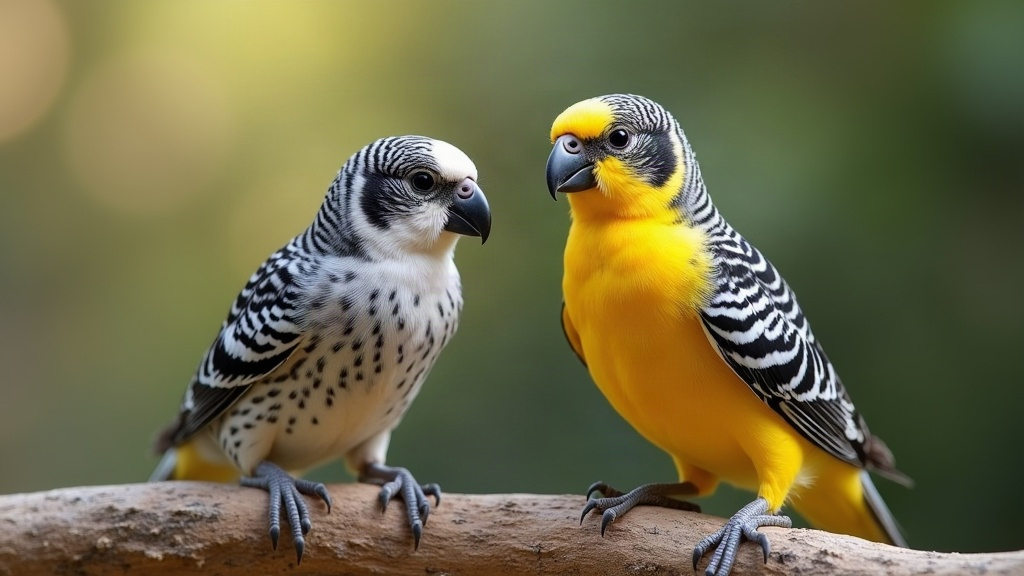
Building a predator-proof outdoor aviary for a pair of zebra finches isn’t about picking one clever gadget. It’s about stacking tight mesh, a foundation that goes into the ground (not just on top of it), a double-door entry system, and real weather protection into one structure that actually holds up. Zebra finches are tiny, trusting, and basically defenseless. Rats, snakes, raccoons, cats, hawks: all of them see a backyard aviary as a vending machine if you let them. So every design choice has to start with one blunt question: can a predator reach them? Here’s what actually works, not just what looks nice in a garden catalog.
Why Standard Birdcages and Flimsy Aviaries Fail
Most predator attacks don’t happen through an open door. They happen through weak points owners never think to check:
- Gaps in the mesh wide enough for a snake, rat, or mink to squeeze through (anything over ¼–½ inch is a gamble you’ll eventually lose)
- Unsecured bottoms, where predators simply dig underneath and come up from below
- Weak latches that raccoons, with their surprisingly dexterous paws, pop open in seconds
- Thin single-layer wire that a cat can claw through or a hawk can shove against until it gives
A “predator-proof” aviary isn’t one feature bolted onto a cage. It’s a system of barriers that all have to fail at once for something to get in.
Choosing the Right Mesh
Skip chicken wire entirely, full stop. It stops basically nothing bigger than a housefly and starts rusting within a season outdoors.
- Use 1/2-inch (12mm) hardware cloth, 19-gauge or thicker, welded rather than woven. Woven mesh loosens at the joints over time.
- For the ground-level danger zone, step up to 1/4-inch hardware cloth on the lower 3 feet of the walls, since that’s where snakes and weasels make their move.
- Double up on critical sections (doors, lower walls) by running hardware cloth on both the inside and outside of the frame. It adds rigidity and gives you a second barrier if one layer gets damaged.
- Stay away from aluminum screen or plastic mesh. A raccoon tears through either one in under a minute.
Foundation: Stopping Diggers
Raccoons, rats, and foxes dig. It’s what they do when a meal is sitting right there behind a thin wire wall. Stop this with an apron foundation:
- Dig a trench 12 inches deep around the entire perimeter.
- Bury hardware cloth vertically into the trench, then bend the bottom edge outward 12 inches so it forms an L-shaped apron underground.
- Or skip the trench and pour a concrete slab or paver base, anchoring the aviary frame straight onto it.
A wire floor just laid on top of the dirt isn’t enough by itself. Give a raccoon a few nights and it will find the edge, lift it, and keep working at it until there’s a gap.
Double-Door Entry System
One door is the single biggest weak point in most backyard setups. Build yourself a safety airlock instead:
- Outer door opens into a small 2x2 ft vestibule.
- Inner door leads from the vestibule into the main aviary.
- Only one door is ever open at a time. This also saves you from chasing an escaped finch around the yard every time you go in to refill water.
- Use carabiner-style clips or padlock-compatible latches. Simple hook-and-eye or sliding bolt latches are no match for a raccoon; they’ve been known to open those on the first try.
Roof and Overhead Protection
Don’t underestimate hawks and owls just because you’re in the suburbs. They hunt backyards regularly, and a finch in an uncovered aviary is an easy target.
- Roof at least two-thirds of the aviary with solid panels (polycarbonate or metal roofing works well).
- For any open sections, use the same 1/2-inch hardware cloth, never bird netting. Netting lets talons through and can trap a bird’s feet or wings when it panics.
- Let the roof overhang the walls by 6 inches or more. That keeps rain off and makes it harder for climbing predators to get a grip near the top.
Shelter, Size, and Climate
For a pair of zebra finches, don’t go smaller than 4 ft x 3 ft x 6 ft tall. Bigger is always better here; finches need room to fly, and a cramped space adds stress on top of the predator risk.
- Add an insulated, weatherproof shelter box (at least 18x18x18 inches) fitted with a one-way, predator-proof entrance flap.
- Position the whole structure for morning sun and afternoon shade. Extreme heat kills finches just as fast as any predator does.
- If you’re somewhere with hard freezes, install a heated perch, or just bring the birds indoors once it drops below 50°F (10°C).
- Elevate the structure, or seal the base in concrete, so it doesn’t flood or stay damp after heavy rain.
Final Predator-Proofing Checklist
- ✅ 1/2-inch (or 1/4-inch on the lower section) welded hardware cloth throughout
- ✅ Buried or concrete-anchored foundation with an apron
- ✅ Double-door airlock entry
- ✅ Solid roofing plus mesh-covered gaps, no netting anywhere
- ✅ Heavy-duty, raccoon-proof latches
- ✅ Weatherproof shelter with a one-way entrance
- ✅ Regular inspection for rust, gaps, and chew marks
Conclusion
There’s no single trick that makes an aviary predator-proof. It comes down to layers: fine welded mesh, a foundation that’s buried or poured, a double-door entry, a roof with no gaps, and a shelter box built to last. Put in the extra time and money upfront, check the structure every season for rust spots or chew marks, and your finches can live outside safely for years, without the constant threat of something digging, clawing, or swooping its way in.