Calcium Deficiencies in Egg-Laying Cockatiels: Hidden Signs to Catch
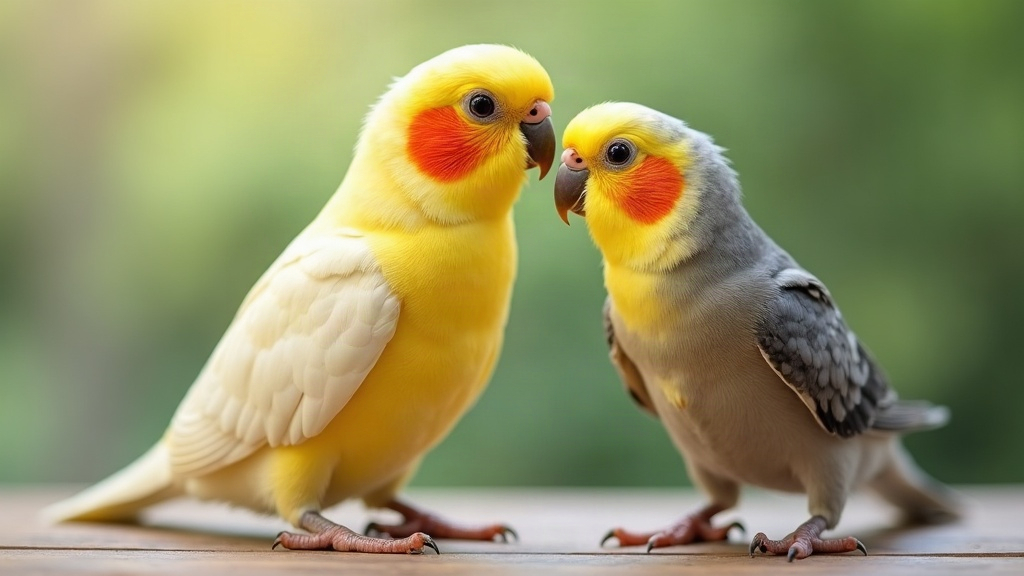
A single eggshell can hold close to half a gram of calcium. That doesn’t sound like much until you remember the bird laying it weighs only about 90 grams. Now picture a female cockatiel laying a clutch of four to six eggs. Her body starts pulling calcium out of her own bones faster than a mediocre diet can put it back. The result is a deficiency that stays quiet for a while, then suddenly isn’t quiet at all, showing up as egg binding or seizures. Here’s how to spot the early, easy-to-miss warning signs, and what to actually do once you see them.
Why Egg Laying Drains Calcium So Fast
Calcium isn’t just shell material. It runs muscle contractions, nerve signaling, and blood clotting too. When a hen is building an egg, her body puts the shell first, even if that means robbing her own skeleton and muscles to do it.
Three things usually stack up to cause the shortage:
- All-seed diets. Seeds are naturally low in calcium and high in phosphorus, and phosphorus actively blocks calcium absorption. A cockatiel living on millet and sunflower seed is basically eating the opposite of what she needs.
- No vitamin D3. Calcium sitting in the gut does nothing without D3 to help absorb it. No UVB light, no proper supplement, and the calcium just passes straight through the bird.
- Chronic egg laying. Long daylight hours, soft warm food offered constantly, a cozy nesting spot in the cage, any of these can trigger nonstop hormonal laying. The hen never gets a chance to rebuild her reserves before the next clutch starts.
Hidden Warning Signs to Catch Early
The early symptoms are subtle, honestly easy to write off as “she’s just tired today.” That’s exactly why owners tend to notice them only once things get serious. Watch any laying (or about-to-lay) hen for these:
- Thin, rough, or soft eggs. The shell feels rubbery, or it cracks the second you pick it up. That’s not bad luck, it’s a direct sign she can’t source enough calcium.
- Lethargy and sitting low. Instead of perching upright and alert, a calcium-depleted hen sits on the cage floor, or hunches on the perch fluffed up and droopy.
- Weak grip and tremors. Shaky legs, twitching muscles, trouble holding onto the perch, these all point to nerve and muscle problems caused by low blood calcium.
- Loss of appetite and weight loss. She eats less, and if you feel along her keel bone, she’ll seem lighter, bonier than usual.
- Straining or tail bobbing. Repeated pushing, a bobbing tail, visible swelling near the vent. This combination usually means an egg is stuck.
The Crisis Point: Egg Binding
Egg binding (dystocia) is the moment a hidden deficiency turns into a genuine emergency. Without enough calcium, the shell gland can’t contract strongly enough to push the egg out. The stuck egg then presses on nerves, blood vessels, and the digestive tract, and things go downhill fast.
A bound hen typically shows tail bobbing, labored breathing, a swollen abdomen, and she may stop producing droppings altogether. This is time-critical, a cockatiel can decline and die within a matter of hours, not days. If you spot these signs, warm the bird, keep her quiet, and get to an avian vet immediately, don’t wait until morning. At the clinic, treatment usually means fluids, calcium injections, and sometimes careful manual assistance to remove the egg.
How to Prevent a Calcium Crisis
Prevention is a lot easier than treatment, and cheaper too. Here’s what actually builds a calcium-safe setup:
- Offer cuttlebone and mineral blocks daily. Leave them in the cage permanently so she can nibble as needed, rather than rationing access.
- Switch to a pellet-based diet. Seeds alone won’t cut it. Pellets are formulated with a proper calcium-to-phosphorus balance built in.
- Add calcium-rich greens a few times a week. Kale, broccoli leaves, dandelion greens, and collard greens are all solid choices.
- Provide UVB light or real sunlight. Her body needs this to make the vitamin D3 that actually lets her absorb calcium. A quality avian UVB bulb, placed at the correct distance, for a few hours daily, makes a measurable difference here.
- Cut down hormonal triggers. Give her 12 to 14 hours of darkness each night, take away nest boxes and cozy huts, and skip the soft, warm “feeding” foods during breeding season, they mimic courtship feeding and can push her right back into laying mode.
If she’s a chronic layer, talk to your vet about calcium and D3 supplementation, and ask whether hormone therapy or other management makes sense for her specifically.
Conclusion
Calcium deficiency in egg-laying cockatiels builds slowly and quietly, then can explode into an emergency with almost no warning. Watch for thin eggs, lethargy, tremors, and straining. Keep cuttlebone, balanced pellets, calcium-rich greens, and UVB light in her routine, and you’re giving her the reserves she’ll need to lay safely. Catching this early is the difference between a routine clutch and a genuine crisis, so start strengthening her diet before that first egg ever shows up.