How Shortening Daylight Triggers a Cockatiel's Autumn Molt
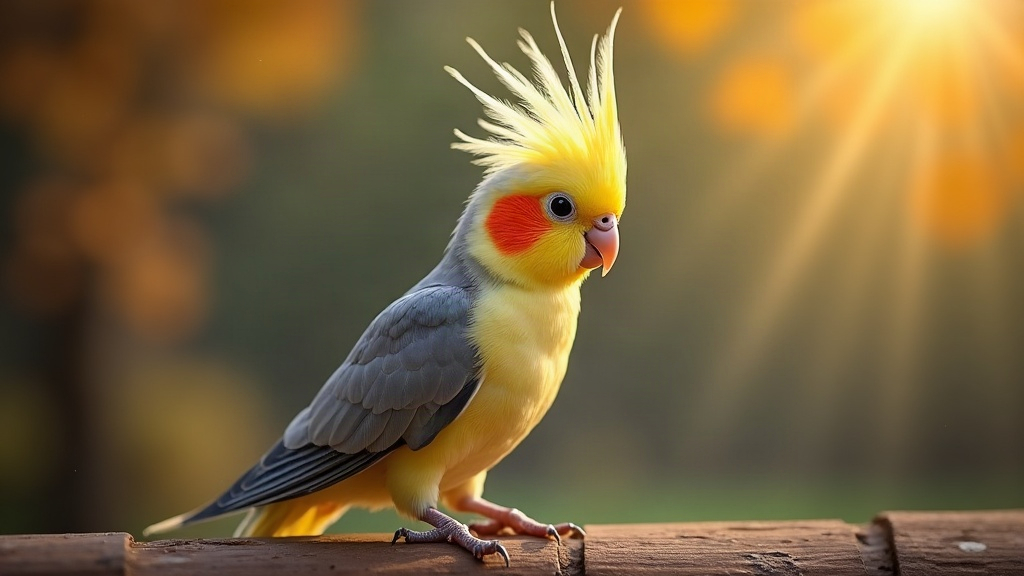
As days grow shorter in early autumn, plenty of cockatiel owners notice something odd: the normally chatty, cuddly bird goes quiet, gets irritable, maybe even nips when it never used to. Before you start wondering what you did wrong, know this. It’s not you. It’s biology. Declining daylight hours flip a switch in your cockatiel’s body that kicks off its annual molt, a hormone-driven process that reshuffles feathers and, along the way, scrambles mood and energy for a while. Once you understand what’s actually happening, it’s a lot easier to respond with patience instead of confusion.
Why Daylight Length Controls the Molt
Cockatiels, like most birds, are extremely sensitive to photoperiod, the ratio of daylight to darkness across a 24-hour stretch. Their brains carry light-sensitive receptors, and not just in the eyes either. There are receptors buried deep in the hypothalamus that quietly track how long the sun stays up each day. Think of it as nature’s own built-in calendar, ticking away regardless of whether the bird has ever seen a wild sunset.
- In the wild, shortening days after summer tell a cockatiel that breeding season is winding down and it’s time to swap out worn feathers before colder weather (or migration, for species that do that) sets in.
- That light signal sets off a hormonal chain reaction involving melatonin and thyroid hormones, which then dictates how active the feather follicles become.
- Domestic cockatiels, even ones that live entirely indoors under lamps and ceiling lights, still pick up on natural light cues filtering through windows, or even just shifts in when you turn lights on and off at home.
That’s the reason molts tend to cluster around the same stretch each year, usually late summer sliding into autumn, even in birds that have never set foot (or wing) outside a living room.
What Happens During the Molt
Molting is simply the shedding of old, worn-out feathers and the growing-in of new ones. Simple in concept, but it’s demanding on the body and can drag on for several weeks.
Physical signs
- More feathers piling up at the bottom of the cage than usual
- Pin feathers (those small, waxy-coated shafts) popping up around the head and neck
- A patchy, slightly disheveled or fluffed-up look
- Colors that seem a bit duller until the new feathers fully unfurl
Behavioral signs
- Less singing, less chatter overall
- Lower activity, more time spent napping
- Touchiness, especially anywhere near those emerging pin feathers
- The occasional nip or grump when handled, even from an otherwise sweet bird
Why Molting Makes Cockatiels Moody
Growing a whole new set of feathers takes a serious amount of protein, calories, and raw energy, roughly on par with what a hen spends producing eggs. Add in the physical discomfort of pin feathers pushing up through the skin, and the mood dip starts to make a lot more sense.
- Pain sensitivity: Pin feathers are loaded with blood vessels and nerve endings. Touch one, especially on the head where the bird can’t reach to preen itself, and you’re likely causing genuine discomfort, not just annoyance.
- Hormonal fluctuation: The very hormones driving feather growth are the same ones that shape mood and social behavior. When one shifts, so does the other.
- Fatigue: Molting cranks up metabolic demand, which leaves less fuel left over for play, chatter, or cuddling.
So if your bird suddenly flinches away from head scratches or snaps at you out of nowhere, chances are it’s molt-related discomfort talking, not a personality problem or a training failure.
How to Support Your Cockatiel Through the Molt
- Boost protein and nutrients: Offer high-quality pellets, egg food, or a small bit of cooked lean protein to help fuel the regrowth.
- Increase calcium and vitamin A: Leafy greens, carrots, and a cuttlebone in the cage go a long way toward supporting feather structure and skin health.
- Try gentle misting: A light spritz of water softens those waxy pin feather sheaths and takes the edge off the itchiness.
- Respect their space: Skip the forced head scratches for now. Let your bird come to you when it’s ready for contact.
- Keep lighting consistent: Wild swings in light exposure can throw the hormonal cycle further out of sync. Aim for a steady 10 to 12 hours of light a day.
- Watch for stress signs: Plucking beyond what’s normal for a molt, appetite loss, or unusual lethargy is your cue to book a vet visit.
When to Be Concerned
A normal molt looks gradual and patchy. It should never look like bald patches or nonstop plucking. If you spot any of the following:
- Bare skin that stays exposed for weeks on end
- Actual blood on emerging feathers (not the normal waxy sheath, real blood)
- Ongoing aggression or a complete refusal to eat
…get an avian vet involved. These aren’t typical molt behavior. They’re more likely signs of stress, poor nutrition, or a health issue that needs proper diagnosis.
Conclusion
That autumn attitude shift your cockatiel goes through? It was never really attitude to begin with. It’s a finely tuned biological response to shrinking daylight, one that drives the feather renewal your bird needs to stay healthy long-term. Learn to spot the signs of molt, tweak the diet a bit, and cut your feathered friend some extra slack for a few weeks. Do that, and you’ll see them come out the other side with a fresh, vibrant coat of feathers, and that same sunny personality you’re used to, right back where it belongs.