Why a Lovebird Regurgitates on Its Favorite Toy (And Red Flags)
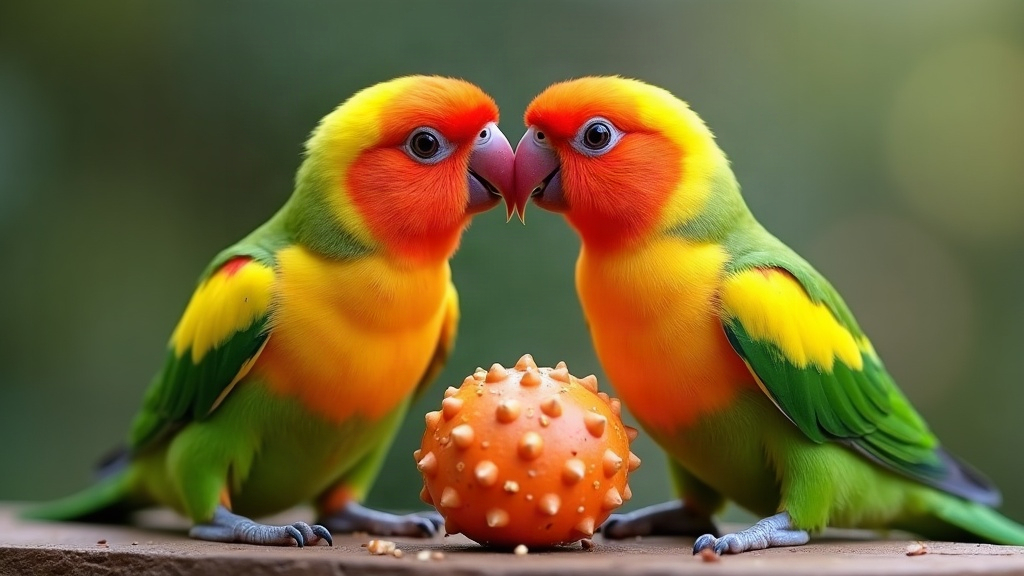
Why Your Lovebird “Feeds” Its Favorite Toy (And When to Worry)
So your lovebird bobs its head, makes a weird little gulping noise, then smears regurgitated seed all over its favorite plastic parrot toy. Gross? Maybe a little. Alarming? Usually not. This is actually one of the most misread behaviors in pet birds. Nine times out of ten, your bird has simply decided that toy is its “mate” and this is courtship, plain and simple. But there’s a version of this that does matter: when it turns obsessive, constant, or shows up alongside other symptoms. That combination points to a hormonal imbalance worth addressing.
Why Lovebirds Regurgitate on Toys
Here’s the thing people get wrong: regurgitation isn’t a digestive glitch. It’s a bonding ritual. In the wild, mated pairs feed each other this way, and parents regurgitate for their chicks. A lovebird living solo, without a feathered partner around, doesn’t just drop the instinct. It redirects it. Common targets include:
- A favorite toy, especially anything soft, fuzzy, or vaguely bird-shaped
- A mirror
- A person the bird has decided is its mate
- A specific perch or cage corner it treats like a nest site
How do you tell this apart from actual vomiting? Watch the motion. Courtship regurgitation looks like head-bobbing and neck-stretching, followed by a small amount of food coming up and getting smeared onto the object. It’s almost gentle. Vomiting, by contrast, is messier and more forceful, food flung around the cage, often paired with a fluffed-up, lethargic bird. If your lovebird still has a good appetite and seems otherwise normal, you’re probably looking at courtship behavior, not illness.
Normal Behavior vs. Hormonal Red Flag
A lovebird that occasionally smears food on a beloved toy isn’t broken. If anything, it’s a sign the bird feels safe and bonded in its environment. The concern isn’t the behavior itself, it’s when that behavior becomes one piece of a larger hormonal pattern.
Likely normal:
- Happens now and then, not every single day
- Bird eats, plays, and acts like itself the rest of the time
- No weight loss, no drop in appetite
Possible hormonal red flag when combined with:
- Daily, almost ritualistic regurgitation onto the same object
- Shredding paper or nesting material and tucking it under the wings
- Guarding the toy, a cage corner, or the whole cage with real aggression
- Biting more often, especially the moment you get near the “nest” object
- Tail-lifting or a squatting posture (classic soliciting behavior)
- Straining, sudden lethargy, or a swollen vent (these can signal egg binding)
If you notice straining, a fluffed and listless bird, or visible swelling around the abdomen, don’t wait and see. Call an avian vet right away. Egg binding can turn fatal within hours, not days.
What Triggers Hormonal Overdrive in Lovebirds
A handful of everyday environmental factors can tip a lovebird from “sweetly affectionate” into full breeding mode:
- Long daylight hours - Anything over 10-12 hours of light tells your bird’s body it’s breeding season. Covering the cage for a solid 10-12 hours of darkness each night helps reset that internal clock.
- Rich, soft foods - Warm mash, too many seeds, or sugary fruit mimic the fat stores birds naturally build before breeding season kicks in.
- Nest-like items - Huts, tents, crumpled tissue paper, enclosed boxes. To your bird, these scream “safe spot to lay eggs,” even if that’s the last thing you intended.
- Petting in the wrong spots - Stroking the back or under the wings triggers hormone release in a way a simple head scratch never does.
- A go-to “mate” substitute - A toy that gets cuddled and fussed over constantly can turn into a genuine hormonal fixation, not just a favorite plaything.
How to Reduce Hormonal Regurgitation Safely
- Rotate toys every couple of weeks so nothing becomes a permanent stand-in mate.
- Get rid of nest-like hideaways: tents, huts, boxes, anything enclosed and cozy.
- Cap light exposure at 10-12 hours and keep a consistent, quiet, dark sleep routine.
- Stick to petting the head and neck only. Hands off the back and wings.
- Serve a varied, balanced diet instead of leaning on seeds or fatty treats.
- Shuffle the cage layout now and then so your bird doesn’t settle into one “nesting” spot.
One thing to never do: punish the bird for this. It’s instinct, not a behavioral problem, and scolding only erodes trust and can actually ramp up stress-driven hormonal issues further.
When to See an Avian Vet
Time to book an appointment if you’re seeing:
- Regurgitation that drags on for weeks even after you’ve changed the environment
- Signs of egg laying with no mate in the picture (chronic layers genuinely need a vet keeping an eye on them)
- Weight loss, puffed-up feathers, or a bird that’s noticeably less active
- Any straining, swelling, or discharge around the vent
An avian vet can rule out illness hiding behind the hormonal behavior, and for chronic egg layers, they can talk through hormone-suppressing options or diet changes that actually help.
Conclusion
A lovebird smearing regurgitated food on its favorite toy is, in the vast majority of cases, just affection talking: instinct-driven courtship, nothing more. Worry sets in only when the behavior turns obsessive, aggressive, or shows up alongside nesting signs and physical symptoms like straining or lethargy. Get the basics right, light exposure, diet, and keeping nest-like objects out of the cage, and most owners can keep this well within the range of normal, healthy bird behavior. And if something feels off? You’ll know exactly when it’s time to pick up the phone and call the vet.