Shreddable vs Hard Plastic Foraging Toys for Destructive Eclectus
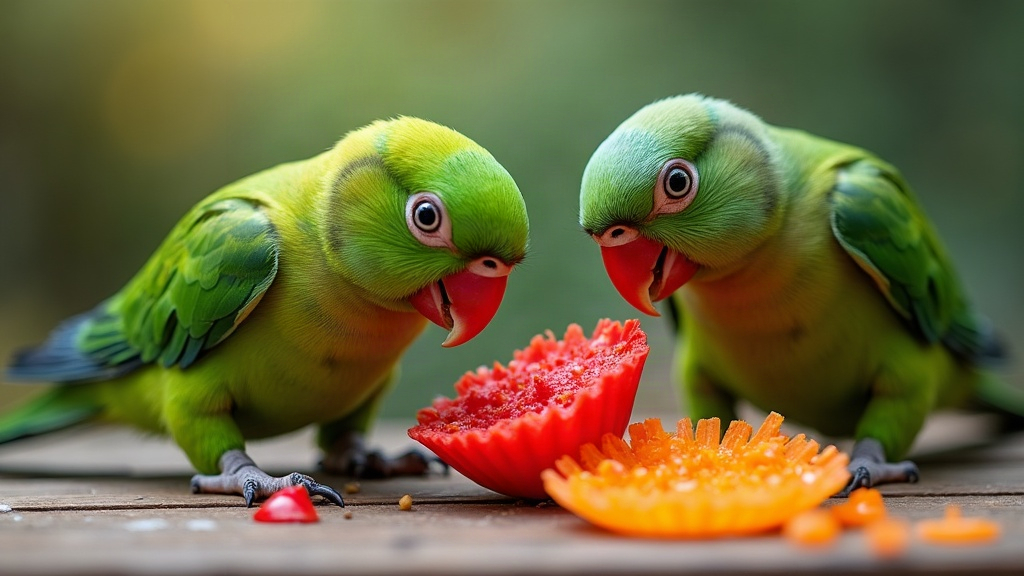
If your eclectus can turn a “chew-proof” toy into confetti in under an hour, you already know the drill. Shreddable foraging toys scratch that destructive itch but disappear fast. Hard plastic toys last longer but can leave a determined eclectus bored, frustrated, or oddly more destructive, like it’s trying to prove a point. The real fix isn’t picking a side. It’s understanding what each material actually does for your bird’s brain and beak, then building a rotation that puts both to work.
Why Eclectus Parrots Are Notoriously Destructive
Eclectus parrots are big, sharp, foraging birds. In the wild, they spend hours a day ripping apart fruit, bark, and seed pods just to eat. That drive doesn’t switch off in a cage, it just finds a new target: toys, perches, sometimes the corner of a bookshelf if you’re not paying attention. A bored or under-stimulated eclectus will:
- Rip through toys faster than almost any other mid-sized parrot
- Go straight for the toughest material in the cage, just to test it
- Show frustration, screaming, feather chewing, when enrichment is either too easy or too hard
That’s the whole reason toy material matters just as much as toy design.
Shreddable Foraging Toys: Pros and Cons
Shreddable toys are made from stuff meant to be torn apart: palm leaf, seagrass, paper, balsa wood, yucca, coconut fiber.
Pros:
- Satisfies the natural urge to shred and forage
- Keeps the bird mentally busy, it has to “work” to find hidden treats
- Cuts down on feather-destructive behavior for a lot of birds
- Safe if small bits are swallowed (natural fibers)
- Cheap per unit, easy to keep replacing
Cons:
- Gone fast with a strong eclectus beak, sometimes in under 30 minutes
- Means constant restocking, which eats into both time and budget
- Not sturdy enough to serve as a cage’s main “anchor” toy
- Shredded debris piles up quickly, more cleanup for you
Hard Plastic Toys: Pros and Cons
Hard plastic toys, think acrylic blocks, hard nylon, stainless hardware, PVC foraging puzzles, are built to take a beating.
Pros:
- Lasts a long time, especially with stainless steel parts
- Great as a durable “base” toy that stays in the cage
- Foraging versions (treat balls, puzzle boxes) add real cognitive challenge
- Cheaper over time since nothing gets consumed
Cons:
- Doesn’t touch the instinct to shred and destroy
- Can get too easy once the bird cracks the mechanism, then it’s just… ignored
- Risk of beak or tongue injury if the plastic cracks or splinters (stick to bird-safe, non-toxic, untreated plastic, no exceptions)
- On its own, less mentally stimulating than foraging-based shredding
The Best Approach: Combine Both
Experienced eclectus owners rarely pick a camp. Instead they run a rotation:
- Keep 1-2 hard plastic foraging toys as a permanent cage fixture (a treat-dispensing puzzle ball works well) for mental challenge that actually sticks around.
- Add 2-4 shreddable toys each week, swapping them out as they get destroyed. This satisfies the shredding instinct without blowing the budget on toys built to last.
- Rotate placement and type every few days so the bird doesn’t just memorize the pattern and tune out.
- Mix textures like leather, cardboard, wood, and rope in with the plastic and shreddables, novelty matters more than you’d think.
How to Budget for a Heavy Shredder
- Buy shreddable toys in bulk (seagrass fans, palm leaf balls come in packs), the per-toy cost drops fast
- Make your own shreddables from bird-safe cardboard, paper, or untreated wood scraps, costs next to nothing
- Spend once on 1-2 solid hard plastic or stainless toys that’ll survive months, not days
- Keep track of which toys your bird destroys fastest, that tells you where to buy versus where to DIY
Safety Checklist Before Buying Either Type
- No small parts that could be swallowed whole
- No treated, dyed, or chemically finished wood or plastic
- Stainless steel quick-links only (skip zinc and other metals)
- Sized right for an eclectus’s strong beak and body
- Check hard plastic toys regularly for cracks or splinters
Conclusion
A destructive eclectus needs both: shreddable toys to feed the urge to tear and forage, hard plastic toys for lasting mental challenge and durability. Neither one alone covers it. A rotation of both, refreshed on a schedule that matches your bird’s destruction speed, keeps enrichment high without turning you into a full-time toy shopper. Pay attention to what your own bird actually gravitates toward. Some eclectus parrots shred like it’s their job, others live for puzzle-solving, and the best toy box ends up looking a little different for every bird.