Teaching a Parrot to Accept Voluntary Nail Filing
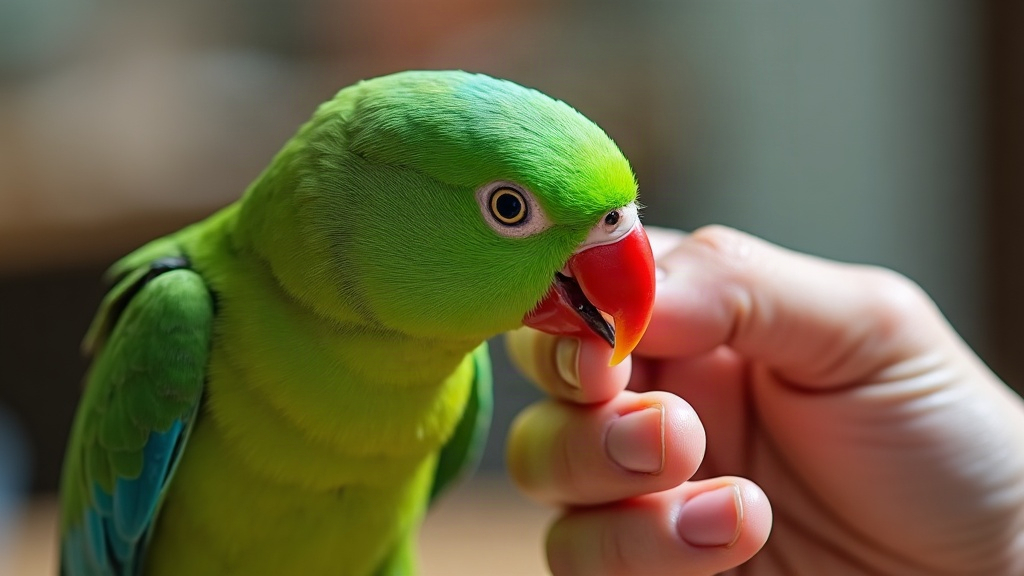
Teaching Your Parrot to Accept Voluntary Nail Filing
Teaching a parrot to accept voluntary nail filing means training your bird to offer its foot and hold still while you work on its nails, instead of you chasing it down with a towel. This guide covers the actual positive reinforcement steps, starting with target training and building up to a full “station and present” chain, that turn a task most owners dread into something closer to a calm little ritual.
Why Voluntary Nail Filing Matters
Restraint-based trims wreck trust faster than almost anything else you can do with a parrot. Grab the bird, wrap it in a towel, flip it upside down for ten seconds, and you can undo months of careful relationship work. Parrots don’t forget fear easily. Do this repeatedly and you’ll often see:
- More biting or lunging at hands
- The bird avoiding you even when nails aren’t involved
- Generalized panic around towels, cups, or anything that looks like a grooming tool
- Stress behaviors creeping in, like plucking or constant screaming
Cooperative care works the opposite way. The bird participates because it chooses to, and it can walk away at any moment. Strange as it sounds, giving the bird an exit is exactly what makes it willing to stay put.
Core Principles of Positive Reinforcement Training
A few things to get straight before you start:
- Reinforcement, not bribery. Reward every small step toward the goal, the instant it happens, not five seconds later.
- Errorless learning. Chop the process into pieces so small the bird almost never “fails.”
- The bird sets the pace. If it leans away, stop. Pushing through that moment is how you lose a month of progress in one session.
- High-value treats only. Not the regular pellet mix. Think a single sunflower seed, a tiny nut sliver, a dab of millet spray, something worth working for.
Step-by-Step Training Plan
1. Target Training First
Before you go anywhere near the nails, teach the bird to touch a target stick with its beak. This becomes your steering wheel later for positioning its body.
- Hold the stick near the beak.
- Mark the exact moment the beak touches it (clicker, or a crisp verbal “yes”).
- Pay immediately.
- Repeat until the bird follows the stick without hesitation.
2. Desensitize to the Filing Tool
Bring in the nail file (glass or diamond-grit files work better here than emery boards; they’re quieter and less likely to spook the bird) and treat it as just another object in the room at first.
- Show it from a distance. Reward calm reactions.
- Over several short sessions, bring it closer, a few inches at a time.
- Let the bird inspect it on its own terms. Curiosity gets rewarded.
- Don’t aim it at the foot yet. Not even close.
3. Foot Presentation Behavior
Most parrots lift a foot on their own when you ask for a step-up, or when a treat is held just out of reach above them.
- Hold a treat slightly above the perch so the bird shifts its weight and lifts a foot naturally.
- Mark any lift, even a half-second one.
- Shape this gradually until the bird rests its foot on your finger, or on a dedicated “foot platform” if you’re using one.
4. Touch Desensitization on the Foot
- Touch the foot with one finger, one second, then reward.
- Stretch it out: two seconds, then five, then ten.
- Let the file touch the nail with zero pressure, no actual filing yet. Reward.
- Only move to a real filing stroke after many clean reps of this.
5. Build the Full Behavior Chain
Now link target, station, and foot presentation into one sequence the bird can run on cue:
- Cue “station” (bird moves to its designated perch).
- Cue “foot” (bird offers a foot on request).
- File one nail.
- Mark and reward.
- Release the bird and end on a high note.
Troubleshooting Common Setbacks
- Bird yanks its foot away. You went too fast. Drop back to the last step that worked and stay there a few more sessions before pushing forward again.
- Bird bites at the file. Reward it the moment its beak moves away from the tool instead. A less shiny, less novel-looking file sometimes helps too.
- Sessions seem to get worse, not better. Cut them down to under two minutes and stop before the bird gets tired or bored. Fatigue kills progress.
- Nails are still too long. Add concrete or sandy perch covers to wear nails down naturally between filing sessions.
Session Length and Frequency
Keep it short: 3 to 5 minutes, once or twice a day. Showing up consistently matters more than any single long session. Most parrots get to full voluntary filing somewhere between 3 and 8 weeks, though that range swings a lot depending on species, past handling (good or bad), and plain old individual personality. A cockatiel with no history of forced trims might get there in two weeks. A rescued macaw with a rough background could take months.
Conclusion
Teaching voluntary nail filing really isn’t about the nails. It’s about communication. Target training, desensitization, foot presentation, touch tolerance, each small rewarded step builds a routine where your bird keeps its autonomy and you still get its nails trimmed safely. Put in the patience now, and you get something better than clipped nails: a bird that actually trusts you for every husbandry task that comes after this one.