Scaly Face Mites vs Dry Skin on a Budgie's Cere: How to Tell
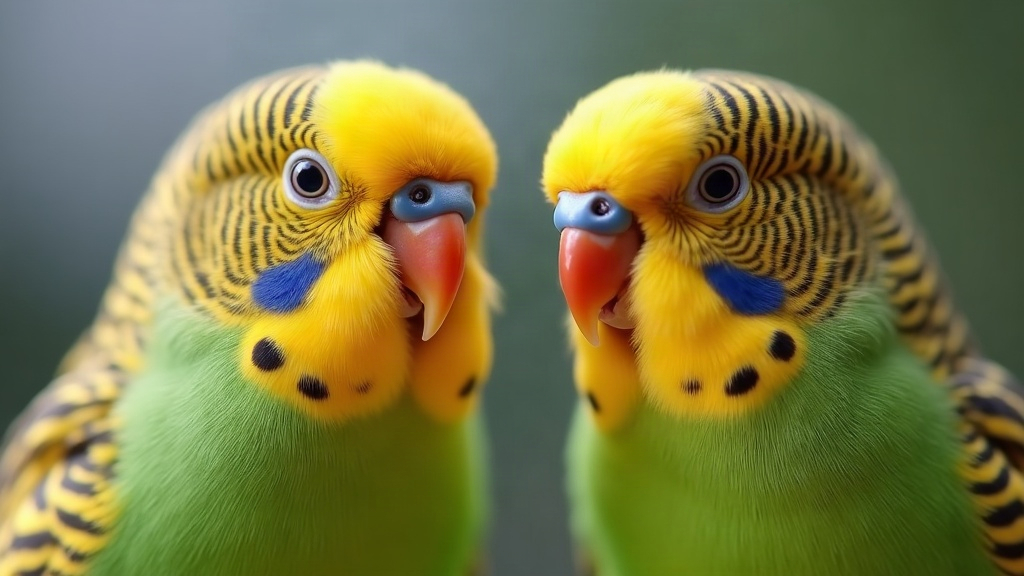
If your budgie’s cere (that fleshy patch sitting right above the beak) looks rough, flaky, or crusted over, you’re probably wondering: is this just dry skin, or are we dealing with scaly face mites (Knemidokoptes pilae)? Fair question, and one a lot of budgie owners ask the first time they notice something off. The short version: normal dry skin looks powdery with smooth edges, while mite damage looks porous, crusty, almost tunneled, and tends to creep beyond the cere onto the beak and eyes. Let’s break down how to tell the two apart, and what to do once you know which one you’re looking at.
What a Healthy or Mildly Dry Cere Looks Like
A budgie’s cere has a slightly different texture from the rest of the face to begin with, so don’t panic the moment you see something that isn’t perfectly smooth. Some things that are totally normal:
- Slight flaking after a molt, or during dry winter months when the heater’s been running nonstop.
- Brown, crusty patches on hens - this one surprises a lot of first-time owners, but it’s hormonal, not disease. Female budgies often get a rough, brownish cere when they’re in breeding condition. Looks alarming, isn’t mites.
- Even color and texture across the cere, no raised bumps, no little holes.
- No spreading. Dry skin stays put. It doesn’t migrate onto the beak, the eye rims, the legs, or the vent.
If your bird is eating fine, preening normally, acting like its usual self, and the cere just looks a bit dull or is peeling slightly, chances are good it’s nothing more than dry skin or a normal hormonal shift (especially in hens).
What Scaly Face Mites Actually Look Like
Knemidokoptes mites burrow into the skin, and the result looks nothing like ordinary dryness once you know what to look for:
- Honeycomb or coral-like texture. Small pits, raised porous tunnels, not flat little flakes.
- Grayish-white, crumbly buildup that resembles dried plaster more than skin.
- Uneven, asymmetrical spread. It usually starts at the corner of the beak or the edge of the cere and creeps outward unevenly, eventually reaching the beak itself, the eye rings, legs, or vent.
- Beak deformity, in advanced cases. The beak can become overgrown, flaky, or warped because the mites are tunneling right into the keratin.
- Slow, steady progression. This doesn’t happen overnight. Compare a photo from three weeks ago to one from today. New crusty patches on the beak or legs? That’s a red flag worth acting on.
Quick Comparison Checklist
| Sign | Dry Skin / Hormonal | Scaly Face Mites |
|---|---|---|
| Texture | Smooth, powdery flakes | Porous, honeycomb, crusty |
| Color | Light tan or brown (hens) | Grayish-white crust |
| Location | Stays on cere only | Spreads to beak, eyes, legs |
| Progression | Stable or improves with humidity | Worsens over weeks |
| Behavior | Normal | Possible beak rubbing, irritability |
When to See an Avian Vet
Don’t just guess and hope for the best. Mites are very treatable, but they need prescription medication (typically ivermectin or moxidectin, given topically or orally under a vet’s guidance, not something to DIY). Book an avian vet visit if you spot:
- New pitted or porous texture that’s clearly more than flaking
- Crust spreading onto the beak, legs, or around the eyes
- Any change in beak shape, or trouble eating
- More than one bird in the cage showing the same symptoms (mites spread easily between budgies)
What You Can Do at Home for Simple Dry Skin
If it genuinely looks like ordinary dryness, here’s what helps:
- Bump up the humidity a little, especially during winter
- Give regular bathing opportunities (a shallow dish works, or a light misting)
- Check that the diet has enough vitamin A (leafy greens, sweet potato, carrots all help)
- Leave the cere alone. Let it flake off naturally instead of picking at it
Conclusion
It really comes down to texture and spread. Dry skin stays flat, powdery, and localized. Scaly face mites create that crusty, porous, honeycomb look and don’t stay in one place. If you’re on the fence, take a photo now and another in a week or two, compare them side by side, and get a vet involved the moment things look like they’re getting worse rather than better. That’s the safest route for your budgie.