Bird-Safe Moving Day Checklist for a Shy Parrotlet
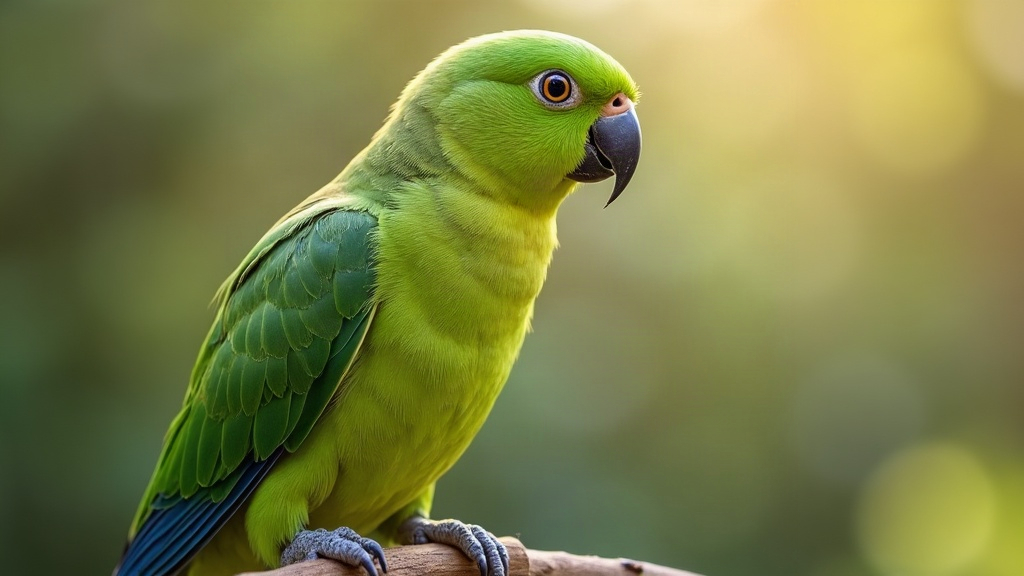
Moving day is rough on any pet, but for a shy parrotlet it can feel like the floor just disappeared. A solid bird-safe moving day checklist is often the difference between a bird that settles into its new cage within a week and one that stops eating, plucks its feathers, or goes silent for days. Here’s exactly what to do before, during, and after the move so your tiny companion stays as calm as possible.
Why Moving Is Especially Hard on Shy Parrotlets
Parrotlets have a reputation for big personality in a small body, but plenty of individuals are naturally cautious, slow to trust, or just plain shy. A cockatoo might investigate a moving box out of curiosity. A shy parrotlet is more likely to see it as a threat. Common stress responses include feather plucking, nonstop screaming, hiding in the back of the cage, or flat-out refusing food. And because these birds weigh barely 30 grams, a stress spiral can turn into a real health emergency within 24 to 48 hours. Preparation here isn’t optional, it’s survival math.
1–2 Weeks Before the Move
- Get your parrotlet used to the travel carrier. Leave it open in their usual room with a few millet sprays or sunflower seeds tucked inside. The goal is for the carrier to feel like a snack spot, not a trap that appears once a year at vet visits.
- Maintain routine. Keep feeding times, lights-out, and your daily chat sessions consistent, even if the living room looks like a cardboard warehouse. Routine is the one thing you can control.
- Line up an avian vet in the new city. Don’t wait until your bird is already sick to start Googling “avian vet near me.” Have a name, address, and phone number saved before the truck even arrives.
- Stock up on the current food and treats. Buy enough pellets or seed mix to last at least a month past the move. This is not the week to experiment with a new brand because the old one sold out.
The Night Before
- Pack a separate travel kit, don’t bury it in a moving box: carrier, a small portable perch, one favorite chew toy, backup food and water dishes, paper towels, and a thin, breathable cover.
- Resist the urge to deep-clean the cage or swap out every perch and liner right before the move. That slightly “lived-in” smell is oddly comforting to a nervous bird.
- Drape part of the cage at night so your parrotlet can actually sleep through the noise of packing tape and bubble wrap.
Moving Day: Step-by-Step
- Isolate the bird early, before the first box goes out the door. A bathroom or closet with the door shut works well. Tape a “do not enter, bird inside” note for the movers, because someone will open that door otherwise.
- Use a secure, well-ventilated carrier for transport, never a hanging cage. A cage swinging from someone’s hand as they walk down porch steps is exactly the kind of motion that sends a shy bird into a panic.
- Cover one side of the carrier, not all of it. Full darkness can feel disorienting too. A partial cover cuts down visual chaos while still letting in enough light that the bird isn’t totally blind to what’s happening.
- Ride in the car with you, never in the moving truck. Trucks swing wildly in temperature and often carry exhaust fumes. Your parrotlet needs to be in the passenger seat footwell or on a seatbelt-secured carrier, in the AC or heat, with you.
- Keep the carrier away from direct sun and vents. Crack a window an inch if the car feels stuffy, but never point an AC vent straight at the carrier, and never let it bake near a sun-facing window for even ten minutes.
- Turn off the radio and keep conversation low. Engine noise alone is already a lot for a nervous bird to process. Adding music or loud talking on top of it just raises the volume on an already overwhelming day.
- Minimize stops. Every gas station break means a blast of outside temperature and new sounds. If the drive is four hours, try to make it in one go rather than three stops.
Arriving at the New Home
- Set up the cage in its final (or near-final) spot before the bird comes out of the carrier. Don’t make your parrotlet watch you assemble furniture around it; get the cage ready first.
- Reuse the same dishes, perches, and toys from the old place. The familiar scent and texture matter more than you’d think, a plastic perch that smells like home is genuinely reassuring.
- Keep foot traffic near the cage to a minimum for the first 24 to 48 hours. This isn’t the time for the neighbors to stop by and meet the new bird.
- Dim the lights and keep the house quiet that first evening. Think “soft landing,” not “welcome party.”
- Don’t force interaction. Let the bird look around at its own pace. Talk softly from across the room instead of reaching straight into the cage, even if you’re dying to check in on them.
Watching for Stress Signs After the Move
- Appetite drop lasting more than 24 hours
- Heavy feather plucking or constant fluffing up
- Going unusually quiet, or hiding in a back corner
- Labored breathing, or just seeming limp and lethargic
If any of these stick around past 2 to 3 days, call the avian vet you already lined up. Parrotlets are small enough that what looks like mild stress on day one can turn serious by day three.
Helping Your Parrotlet Adjust Long-Term
- Bring back bath time, out-of-cage play, and other routines one at a time, not all in one afternoon.
- Once you’ve picked the cage’s final location, leave it alone. Don’t rearrange the nearby furniture for a few weeks, consistency is the whole point right now.
- Use favorite treats, a pine nut, a bit of apple, whatever they love most, as a reward during those first tentative interactions in the new room.
Conclusion
Shy parrotlets can handle a move just fine, they just need a little more scaffolding than a bolder bird would. Cut down on sensory overload, keep familiar smells and schedules intact, and don’t rush the adjustment period. Stick to this bird-safe moving day checklist and there’s a good chance your parrotlet settles in faster, and calmer, than you’re expecting.